
The One Detail in Linda Evans’ Story That Explains Her Whole TV Reign

Anyone who lived through television’s glossy golden age remembers the kind of star power you could not fake, and she had it in spades. The big breakthrough hit in 1965 with The Big Valley, where her calm steel and no-nonsense confidence handled the show’s heaviest drama like it was light work. Then came Dynasty, the cultural juggernaut that turned her into a household name, with Krystle Carrington’s immaculate poise and simmering intensity. She did not just play elegance, she weaponized it, and prime time never looked the same afterward.
The payoff was real: major attention, serious credibility, and a Golden Globe that underlined she was not just popular, she was good. That steady, camera-ready control did not appear out of thin air; it was sharpened in drama classes at Hollywood High School, where she learned how to stay loose while the pressure spikes. In the 1980s, she pivoted hard into health and fitness, sharing routines that clicked with fans who wanted more than glamour.
The One Detail About Clint Eastwood’s Career That Explains Everything

By the time Rawhide turned him into a TV fixture in 1959, his rise felt less like luck and more like a slow takeover. Then came Sergio Leone’s westerns, and suddenly that tight-lipped calm, the stare that demanded attention, rewired the definition of movie toughness. He did not play loud, he played lethal. When Dirty Harry hit, he dragged hard-nosed cop stories into pop culture, daring audiences to argue with him.
The trophies caught up to the swagger. In 1992, Unforgiven landed him Oscars for Best Director and Best Picture, reminding that the guy behind the squint had serious craft. He pulled off the same double win in 2004 with Million Dollar Baby. Off-camera, he leaned into music, composing themes for several of his films in the 1990s. He even ventured into civic life, winning Carmel’s mayoral race in 1986.
The One Beach Scene That Turned Bo Derek Into a Pop Culture Weapon

One movie did the heavy lifting, and it did it fast. In 1979, 10 dropped that now-legendary beach run and basically dared pop culture to look away. It could not. The moment hit like a flashbulb, stamped into the era’s visual memory and replayed until it became shorthand for a certain kind of glamour. Then 1981 arrived with Tarzan, the Ape Man, a louder follow-up that thrust her back into the spotlight, keeping the attention machine humming.
In the early 1980s, the modeling world tightened its grip as photographers pursued the bold, sun-kissed aesthetic tied to her image, turning a look into a brand. Off set, she pivoted hard into something more grounded: horses. Ranch life brought routine and a surprising kind of discipline that Hollywood rarely rewards. That animal-first streak was not a phase. In 2000, she turned her long-standing love of animals into a more public part of her life, continuing the animal-focused work that had become important to her
The One Golden Globe That Quietly Proved Kim Novak Wasn’t Just Another Pretty Face

Kim Novak brought a rare and dangerous calm to mid-century movies. She didn’t need to mug or wink at the audience; her mere presence owned the frame. Picnic put her on the map for that cool intensity. Then, Vertigo turned her magnetism into a mind game, with Hitchcock pushing her into a layered role that confounds viewers decades later.
Away from the studio system, Novak increasingly turned toward painting, eventually making visual art a major part of her life after stepping back from Hollywood.
The One Oscar-Nominated Role That Put Terry Moore on Hollywood’s Radar

Moore was never built for the wallpaper of old Hollywood. While many starlets were trained to smile and disappear, she had something to prove. Her early work in films like Mighty Joe Young helped put her on the map, but it was her performance in Come Back, Little Sheba that brought her an Academy Award nomination for Best Supporting Actress. She had the kind of screen presence that could make even a supporting role impossible to overlook. She did not just play along; she made people look.
That confidence wasn’t accidental. She’d been working stages as a kid, mastering timing and presence. In the 1950s, she pursued aviation, a rare choice for actresses then. While others collected gossip, she trained for a pilot’s license, challenging the era’s norms. Her marriage to Howard Hughes added to her fame, especially when stories about their relationship resurfaced in 1980 and thrust her back into the spotlight.
Ann-Margret, Born 1941

When she hit the early 1960s, musical movies stopped feeling cute and started feeling electric. Her 1963 breakout in Bye Bye Birdie was all bounce, bite, and star power, daring the camera to keep up. Then came Viva Las Vegas; sparks with Elvis Presley scorched the frame. Plenty share scenes; she took over the atmosphere.
Not just a jukebox in heels, Carnal Knowledge earned her an Academy Award nomination for her raw performance. In the 1970s, her concert tours packed houses, cementing her stage presence. Honors like the SAG Life Achievement Award celebrated her longevity. Later, she appeared on Law & Order: SVU in 2010 with a sharper TV edge.
The 1965 Grammy That Explains Dick Van Dyke’s Staying Power

Some performers age into nostalgia; Dick bulldozed through it. His cross-generational magic comes from a lethal combo: charm, timing, and musical comedy that lands. He didn’t just “star” in The Dick Van Dyke Show in 1961; he set the rules for the modern sitcom—smart writing, chemistry, and a cast that moved like real people. Then 1964’s Mary Poppins showcased his dancing and mischief, as if born for the spotlight.
In 1965, he snagged a Grammy tied to that soundtrack, a household staple. He gained a reputation for stage work that didn’t rely on fame; his tours were high-energy and built to win rooms. By 1974, a Special Tony Award showed theater recognized what audiences did: his power to carry a crowd. His return to the Poppins universe in 2018 with Mary Poppins Returns wasn’t a victory lap; it proved upbeat, crowd-pleasing craft can outlast trends.
The One Oscar Trophy That Quietly Changed Everything for Eva Marie Saint

Eva Marie Saint arrived not with flashy theatrics but with a commanding presence, impossible to ignore. During the golden age of American film, she starred in 1954’s On the Waterfront, earning an Academy Award for Best Supporting Actress. Her performance delivered emotional weight without melodrama, proving that quiet intensity is powerful. Audiences embraced it, and critics acknowledged it, shifting Hollywood's lens.
Alfred Hitchcock harnessed her precision in North by Northwest, where her timing aligned with sleek suspense. Her focus was evident, particularly in technically challenging scenes. The actor wasn’t confined to a single genre; winning a Primetime Emmy Award in 1990 showcased her range. Even in later years, she stayed productive with roles, including a voice role in Nickelodeon’s The Legend of Korra in 2012.
The One Camera Trick That Made David Attenborough a Global Obsession

For decades, audiences have watched Attenborough transform wildlife filmmaking, creating pure wonder. He didn't just "show animals"; he revolutionized nature storytelling, leading viewers from polar seas to rainforests with the confidence of someone aware the planet offers better plot twists than any writer. Planet Earth became the gold standard, boosting awareness and winning Emmys with its dramatic scale and stunning images. The earlier spark was Life on Earth in 1979, which sharpened the entire genre.
That series made scientific discovery feel like prime-time television, captivating audiences globally. BAFTA recognition followed, as relentless curiosity got noticed. The work was tough; shoots often required lugging gear to remote areas, with unpredictable weather complicating filming. Crews spoke of sudden storms demanding quick fixes to continue. In 2020, David Attenborough: A Life on Our Planet reflected on those decades and delivered a strong, urgent environmental message that pushed viewers to confront reality.
The One Thing Tippi Hedren Did After “The Birds” That Nobody Saw Coming

When Hedren hit movie screens in 1963’s The Birds, she took over with a calm and magnetic presence, the eye in Hitchcock’s storm. Her composure made the suspense more intense. Then came Marnie, showing she was not just a one-time star. The film was famously challenging, demanding stamina and tolerance for on-set chaos.
A Golden Globe for New Star of the Year marked her breakout, but Hedren did not pursue fame. In 1983, she shifted to animal welfare, founding the Shambala Preserve for rescued big cats. Decades later, she returned to TV in 2006 on Fashion House, demonstrating her enduring screen authority.
The One TV Mustache That Made John Astin Unforgettable
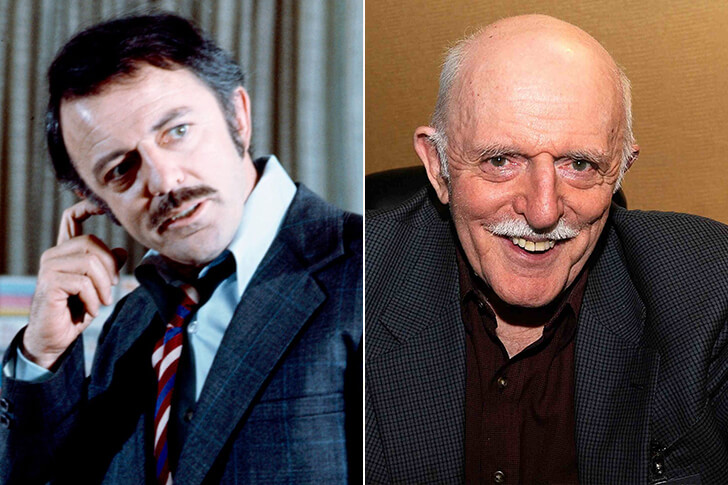
Astin didn’t just show up on TV in 1964, he stole the room. As Gomez Addams on The Addams Family, he delivered razor-clean timing and playful charm with a mischievous sparkle that made the show feel smarter. The series hit its sweet spot with him at the center, and he kept that buoyant energy in film. In Freaky Friday (1976), he pops in with a comic punch that makes you wonder why more actors don’t bother being that precise.
He refused to stay boxed in by one role. Onstage, he drew serious attention in 1971 with Edgar Allan Poe, proving he could hold an audience alone. Later, his directing and teaching side became prominent; by 1998, he was shaping performers at Johns Hopkins. His unmistakable voice appeared in animation, including Justice League Action. In 1967, he even took a detour into Batman, slipping into the Riddler role.
The Movie That Turned Brigitte Bardot Into a Global Icon
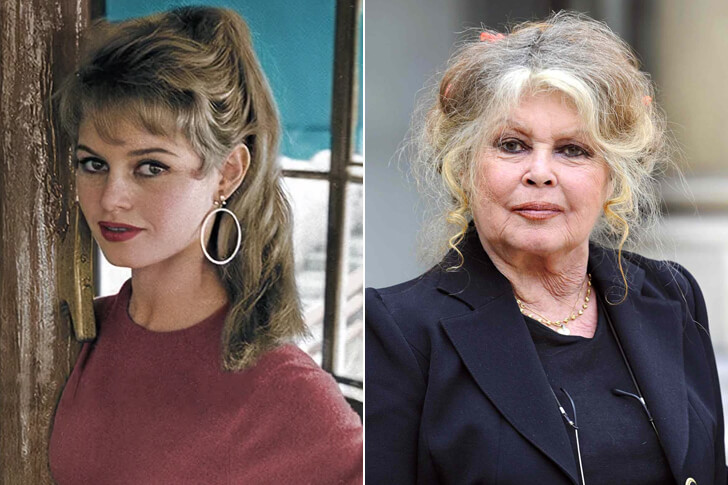
A lot of film fans met the actor through the 1956 shockwave, And God Created Woman. Overnight, she became a headline and cultural phenomenon. Her performance in La Vérité showcased her sharp edge, proving she was more than just allure. In Contempt, her effortless magnetism pushed European cinema into broader discussions. Her off-screen style didn’t just influence—it was mimicked and debated, making fashion feel provocative.
In the 1960s, her influence reshaped fashion and turned Bardot into an international cultural icon. France later honored her with the Legion of Honor in 1985, while her decision to leave acting in 1973 marked a dramatic shift toward animal welfare. She devoted the rest of her public life largely to that cause through the Brigitte Bardot Foundation. After her death in December 2025 at age 91, her legacy remains tied to both French cinema and her decades of animal activism.
The One Movie That Turned Mel Brooks Into Comedy’s Permanent Trouble
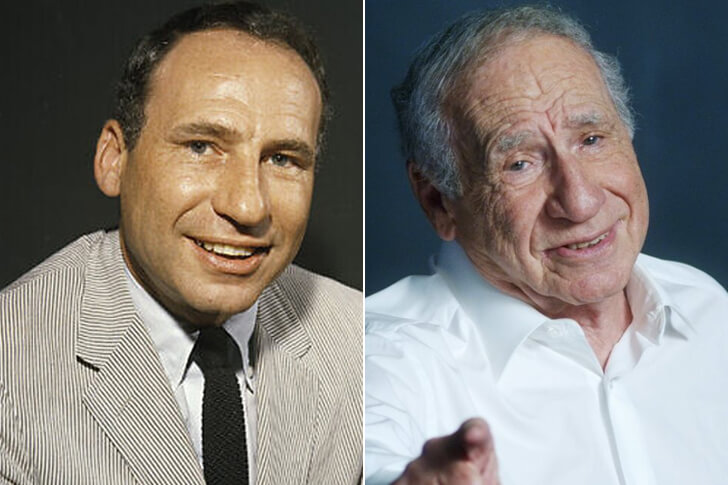
When The Producers hit theaters in 1967, it dared America to laugh at jokes that seemed illegal at the time. This nerve became his blueprint. He pushed boundaries further with Blazing Saddles, a fearless satire on hot-button topics that packed theaters. In 1974, Young Frankenstein arrived, a perfectly crafted parody still quoted today. Love him or not, his impact is undeniable.
Even the industry acknowledged it. In 1968, Brooks won the Academy Award for Best Original Screenplay, affirming his chaotic genius. His influence extended beyond film; Get Smart launched in 1965, proving his instincts thrived on TV. He revived The Producers as a successful Broadway musical in 2001, and continues to appear in voice roles, like the Shogun in Paws of Fury in 2022.
The Tiny Tim Who Didn’t Fade Out: Terry Kilburn, Born 1926
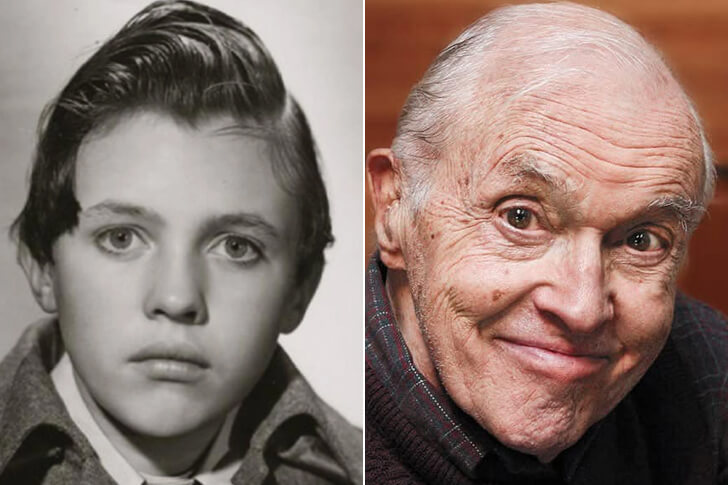
Classic film fans remember Kilburn as one of those rare child actors who actually delivered. In 1938, he melted audiences in A Christmas Carol as Tiny Tim, with sincerity that cut through period polish. Then, in 1939, Goodbye, Mr. Chips proved he was no one-note kid. He convincingly handled the character across ages, making it look effortless.
His work spanned studios, with directors appreciating his sharp timing and expressive skills. Later, he shifted to stage, notably with Michigan's Meadow Brook Theatre. In 1977, he became artistic director, pushing for ambitious projects. His tenure ended in 1994, neatly closing that chapter of his career.
The One Object That Keeps William Shatner in the Spotlight
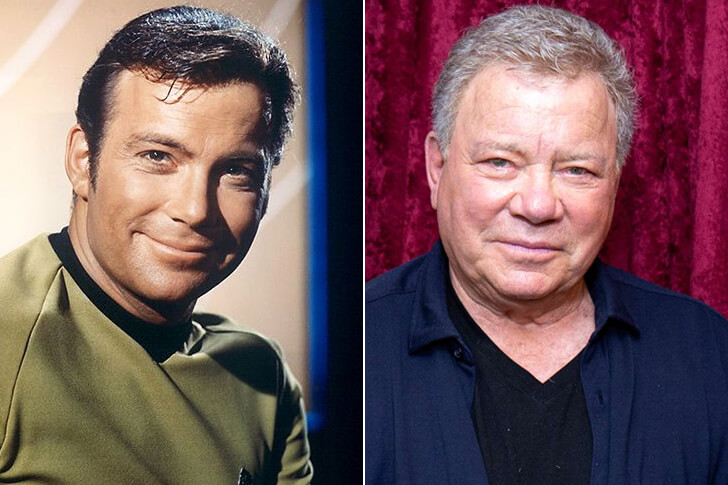
Before legendary status, there were grind years, auditions, bit parts, and the persistence that either breaks you or makes you a headline. In the turbo-charged 1960s, he hit the cultural jackpot with Star Trek, owning the bridge and daring TV to take sci-fi seriously. Captain Kirk was a statement, not just a role, and audiences loved it. When the franchise returned to movie screens in 1979 with Star Trek: The Motion Picture, it was bigger, bolder, and ready to prove itself in the cinematic big leagues.
The plot twist came in 1989 when Shatner stepped behind the camera for Star Trek V, seeking more control. He ventured into music with the 1968 spoken-word album The Transformed Man, achieving cult status. Beyond screen tales, the actor penned TekWar, immersing readers in a gritty sci-fi world. In 2021, he capped his achievements with a literal flex, riding Blue Origin on a suborbital flight.
The One Detail on Morgan Freeman’s Resume That Explains Everything
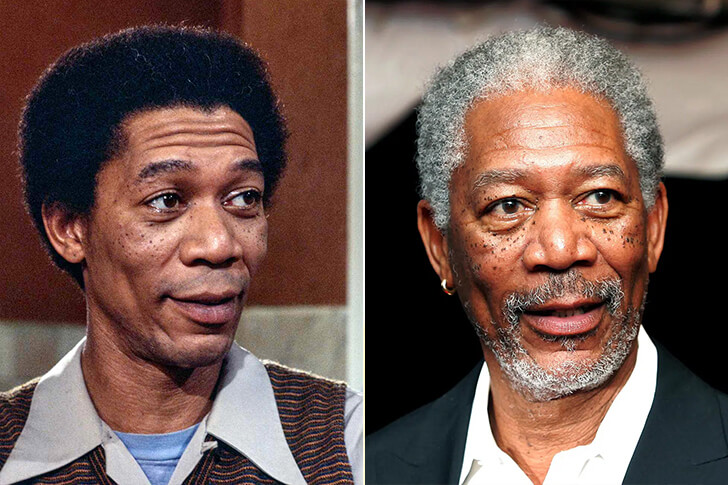
When Freeman first started pulling focus, audiences didn’t just notice him, they trusted him. He has that rare authority that makes even a quiet line land like a verdict. Roles in Street Smart and Glory put his controlled, no-showboating style on full display, proving he didn’t need theatrics to dominate a scene. That same grounded gravity became the secret engine of The Shawshank Redemption, where his calm presence anchors the whole story. Plenty of actors chase “iconic.” He simply shows up, does the work, and somehow turns the film into a classic.
The career flex arrived in 2005, when Million Dollar Baby won him the Academy Award for Best Supporting Actor, a trophy that felt less like a surprise and more like the industry finally catching up. Long before Hollywood crowned him, he was building the craft the hard way, starting with school theater and sharpening a disciplined approach to performance. Then there’s the off-screen twist that fits him perfectly: aviation. He earned a pilot’s license in 2002 and kept flying regularly afterward, because of course he did. The same steady nerves that command a screen also belong in a cockpit.
The 3 Moves That Turned Jaclyn Smith Into a TV Icon (and a Retail Powerhouse)
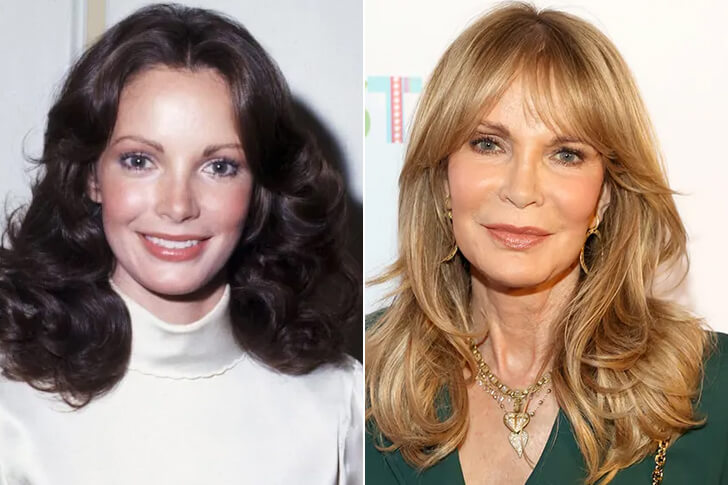
She didn’t just show up during one of TV’s most era-defining decades, she owned it with cool, unbothered confidence. In 1976, Charlie’s Angels made her a household name; she mixed glamour with grit and never let action swallow the character. She then tackled heavier roles like Nightkill, shifting from breezy escapism to darker stakes. The point was clear: she wasn’t a poster, she was a performer, handling more than perfect lighting and a slow-motion run.
Her biggest industry move came with the Jaclyn Smith Collection. While others saw endorsements as side hustles, she treated fashion and retail as serious business. This ambition was rooted in drama training in Texas. In 1981, she earned a Golden Globe nod for Jacqueline Bouvier Kennedy, proving she could carry prestige material. Her 1997 marriage to Brad Allen marked a quieter chapter, grounded in a stable partnership away from the spotlight.
The One Jethro Prop That Still Explains Max Baer Jr.’s Whole Career
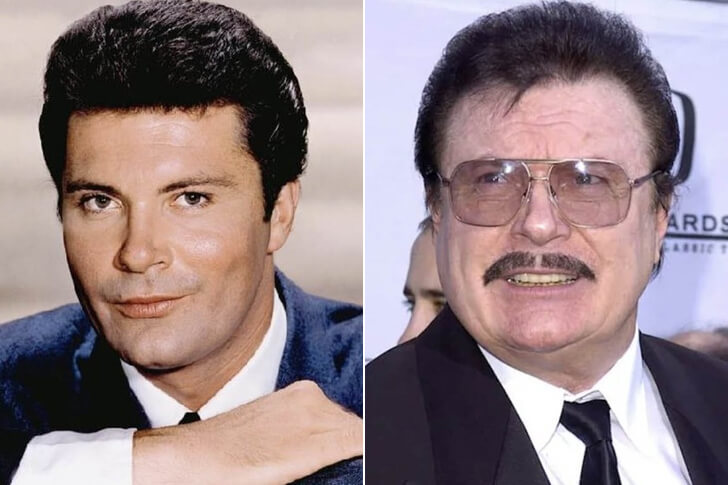
Max Baer Jr. barged into TV history with killer timing and a “I swear I mean well” charm that 1960s sitcom audiences loved. In 1962, he became a household name on “The Beverly Hillbillies,” making Jethro Bodine a lovable human wrecking ball of sincerity. His eager-to-please vibe powered some of the show’s sharpest bits. He wasn’t a one-lane performer and took swings at film work, including Ode to Billy Joe, proving he could step outside the sitcom sandbox.
Santa Clara University helped him build the confidence needed for the spotlight. Competition ran in his blood, thanks to his athletic streak and family name tied to father, boxing champ Max Baer Sr. He leaned into business, launching a Beverly Hillbillies-related gaming push in 1999, showing he wasn’t content to live off reruns. In later years, his focus shifted to entrepreneurial projects, keeping him busy long after cameras cooled.
The One Tiny “Butch Cassidy” Cameo That Quietly Launched Sam Elliott
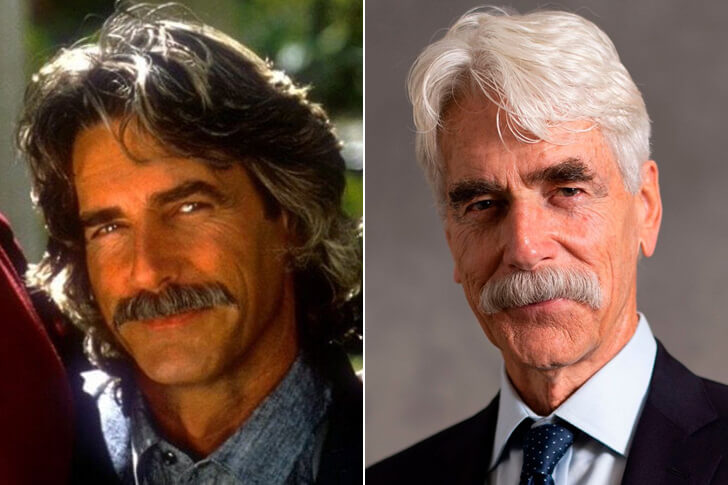
Careers rarely start grandly; for Elliott, it was almost a dare: blink and you miss him in 1969’s Butch Cassidy and the Sundance Kid. A quick appearance that matters when realizing it was his first spark. From there, he built credibility by consistently showing up. Lifeguard pushed that steady presence further, proving he could hold the screen without overacting.
He then embraced the tough-guy persona, fitting perfectly into westerns and action roles. Road House showcased his gravelly delivery naturally, while his work in A Star Is Born proved he was far more than a voice and a hat, earning him an Academy Award nomination for Best Supporting Actor. Before becoming a Hollywood staple, he honed his craft through years of theater and television work, building the understated style that became his trademark.
The One Golden Globe Nod That Changed Susan Dey’s Whole TV Story
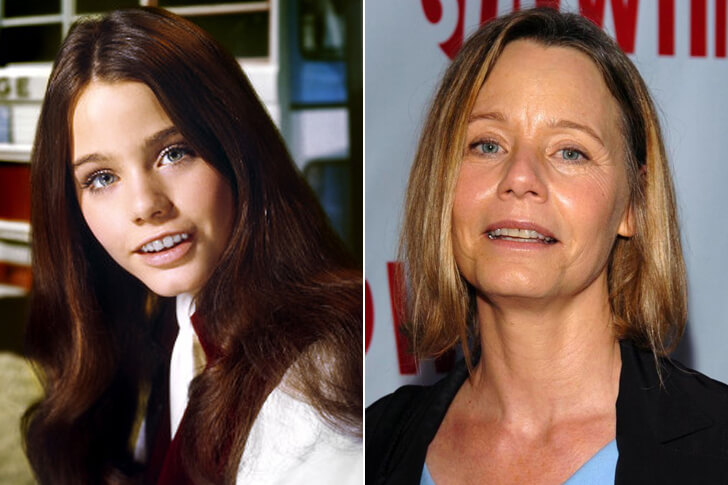
When Susan Dey hit television in the early 1970s, she owned the screen with a calm, unmistakable presence. The Partridge Family made her a household name, bottling the era’s sunny, pop-soaked vibe. She then showed her range with Mary Jane Harper Cried Last Night, delivering restraint, timing, and emotional precision, the marks of a true performer over a fleeting TV crush.
After leaving L.A. Law, Dey gradually stepped away from Hollywood, choosing a much quieter life away from the constant demands of celebrity.
The One Role That Turned Al Pacino Into a Cultural Weapon
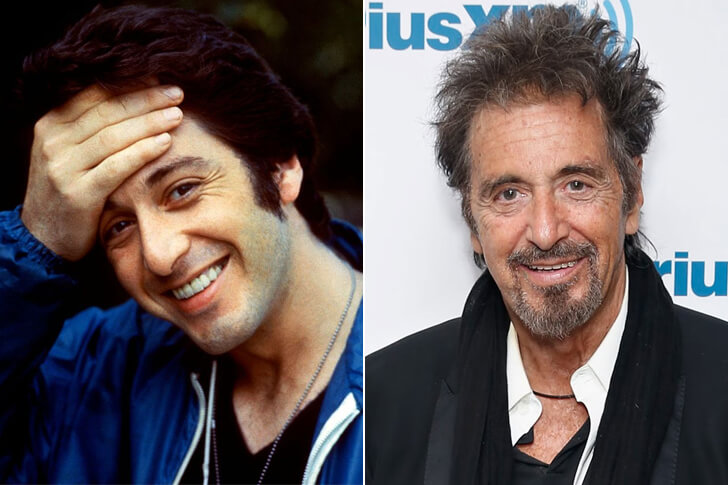
The actor didn’t “arrive” in 1972 so much as detonate. The Godfather handed him a quiet, coiled part, and he played it like a threat you could feel in your teeth, rewriting what a modern crime drama could look like. Then he doubled down with Serpico, confronting police corruption with stubborn fury. Dog Day Afternoon was the next pivot, less controlled, more combustible. The trophies caught up in 1993, when Scent of a Woman finally landed him an Academy Award.
Before his legend calcified, his craft was built at HB Studio, where the training is famously unforgiving. Even after Hollywood started calling, the stage stayed in the driver’s seat, especially with the praised 1983 revival of American Buffalo. Later, that obsession with big, thorny text showed up in a documentary around Shakespeare’s Richard III. He was lined up to voice a character in Despicable Me but walked away due to creative differences.
The One Prop That Made Meredith Baxter Unmissable on TV
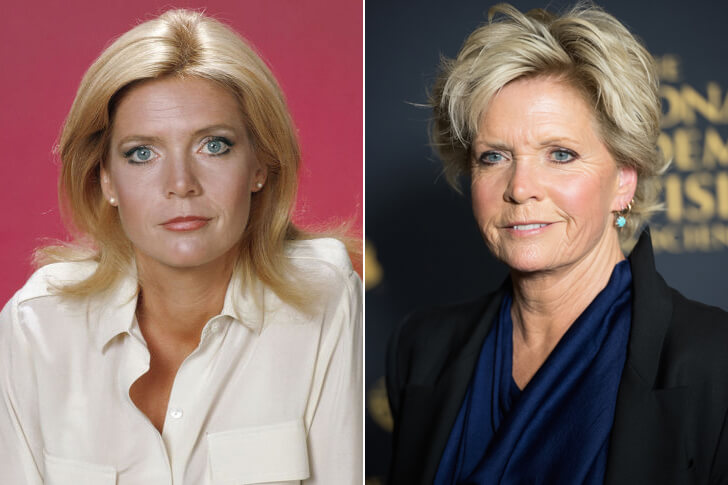
When Baxter started appearing on TV in the mid-1970s, her disarming steadiness made any scene feel real. *Family* was her early proving ground, relying on quiet emotion instead of melodrama. She fit it perfectly. Then *Family Ties* flipped the switch, turning household friction into must-watch comfort, a ritual for viewers.
Even with brutal production days, her work never showed signs of strain. She seamlessly moved from punchlines to tension, keeping everything grounded. In 1992, an Emmy nomination reignited interest, showcasing her dramatic range beyond sitcoms. Off set, she embraced painting, seeking a quieter, personal outlet after years in front of the camera.
The One Prop Sketch That Says Everything About Lee Majors
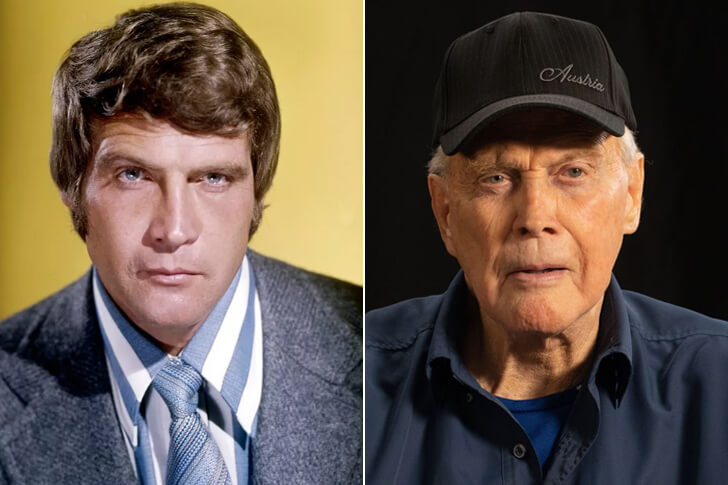
When Majors hit primetime in the late 1960s, he took over the room. Audiences clocked his calm, cocky ease instantly. On The Big Valley, his tough, unbothered presence glued scenes together. Then 1973 happened, and The Six Million Dollar Man strapped a rocket to his fame. He became the face of high-stakes, sci-fi swagger, with kids everywhere trying slow-motion heroics like their hero.
Those long shooting days were a grind, loaded with stunts demanding planning and a body ready to take hits. Between setups, Majors found escape in sketching prop ideas, turning downtime into creative side projects. In 1983, Golden Globe voters honored his steady screen presence. Earlier, a college sports injury had already redirected his path from athletics to acting, ultimately defining his career.
Ali MacGraw, Born 1939
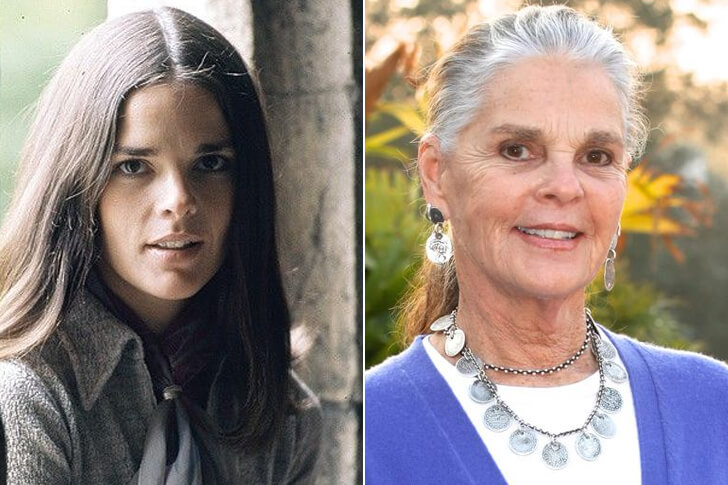
Anyone who paid attention to American movies in the early 1970s remembers when she hit the screen; she didn’t "arrive" so much as take over the room. There was a cool, effortless pull to her, like the era found a face that matched its mood. The spark lit in 1969 with Goodbye, Columbus, where she played it smart and sharp, yet somehow owning every frame. Then 1970 happened, and Love Story exploded into a global obsession, turning her into an instant icon.
That breakout brought an Academy Award nomination and new scrutiny. Instead of coasting on romance, she swerved. The Getaway shoved her into grittier territory with real action and a harder edge. You could still see the Vogue years in her posture and camera sense, but the vibe wasn’t just glossy. Later, her off-screen priorities shifted; meditation and a more mindful routine started calling the shots, redefining what “success” meant day to day.
The One “Dallas” Prop That Quietly Turned Patrick Duffy Into TV History
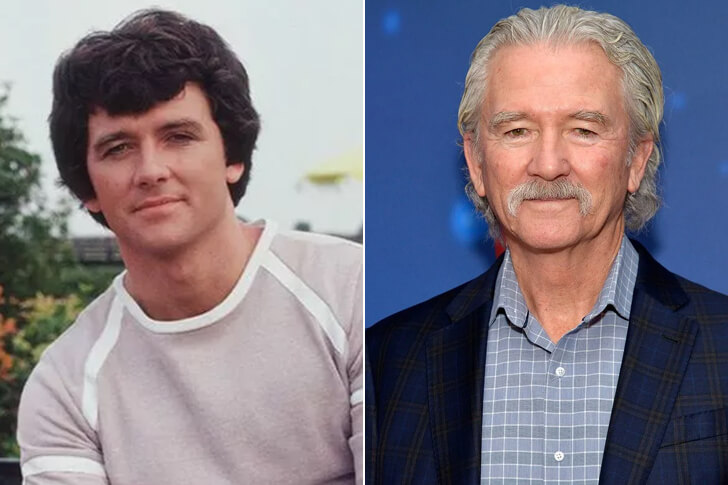
Duffy is welded to a TV turning point, starting in 1977 with the gamble of Man from Atlantis. Then 1978 hit, Dallas detonated, and Bobby Ewing became the moral seatbelt, holding the chaos while others floored it. The schedule was brutal, scripts a moving target, emotional whiplash compulsory. Family loyalty one day, betrayal the next, the actor had to snap between them, keeping up with the drama's dare.
Before the cameras owned his calendar, he logged serious stage time, including movement training that paid off during long shoots. Off set, he decompressed by nerding out with architecture, sketching house ideas. Broadway called with The Subject Was Roses, proving his live audience prowess. Later, to escape the loud noise, he embraced a steadier rhythm on the family ranch, a seasonal reset keeping him grounded away from Hollywood's spin.
The One Hollywood Object Dolores Hart Walked Away From, and Why It Still Bugs People
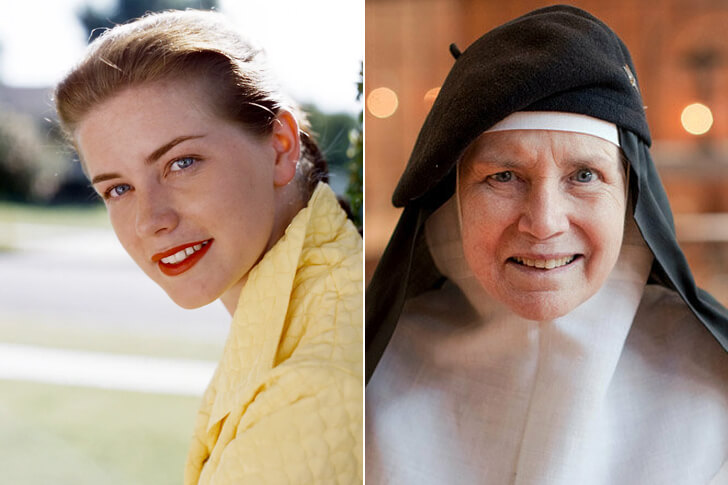
Dolores didn’t just appear in early 1960s movies, she practically announced herself. She slid into the spotlight opposite Elvis Presley in Loving You like she belonged there. She proved she had dramatic muscle in Francis of Assisi, selling quiet sincerity without begging for applause. Hollywood loves a rising star, but it loves control even more. So when her career was climbing, she did the unthinkable and stepped away from the whole machine.
Instead of chasing bigger roles, she headed to the Abbey of Regina Laudis seeking clarity, not cameras. The move hit harder because she already had serious stage chops, including Broadway’s The Pleasure of His Company. A Tony Award nomination in 1959 made it clear she had momentum to spare. Years later, she resurfaced through writing, including a 2013 memoir that reignited the fascination.
The One Golden Globe That Turned George Hamilton Into a Walking Headline
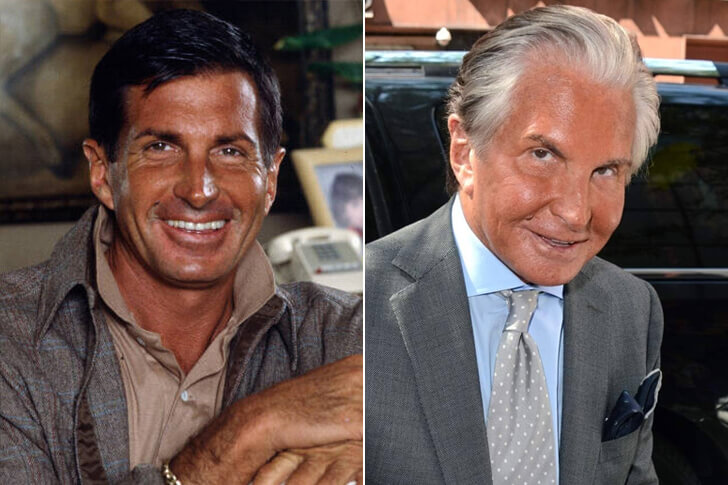
Hamilton hit the late 1950s film world like he owned the place, polished, dramatic, and impossible to ignore. Plenty of people first really noticed that cool, camera-friendly swagger in Where the Boys Are, a movie that practically bottled the era’s youth obsession and sold it back to America. Then he pivoted to Your Cheatin’ Heart, stepping into biographical territory without the usual sweaty overacting. The performance was controlled, confident, and just daring enough to make audiences lean in. Love him or roll your eyes, he had that rare quality Hollywood can’t manufacture, presence.
In 1960, he snagged the Golden Globe for Most Promising Newcomer, and the industry basically stamped him as the next big thing. From there, his career and social life tangled together in a way that kept him in the spotlight, sometimes for the work, sometimes for the company, always for the buzz. In 2011, he popped up in a touring run of La Cage aux Folles, proving he could still bring heat onstage when people least expected it. Later, he also carved out a lane with cigar lines that fit his tastes, because of course he did.
The One Hit Single That Turned Connie Stevens Into a 1960s Fixture
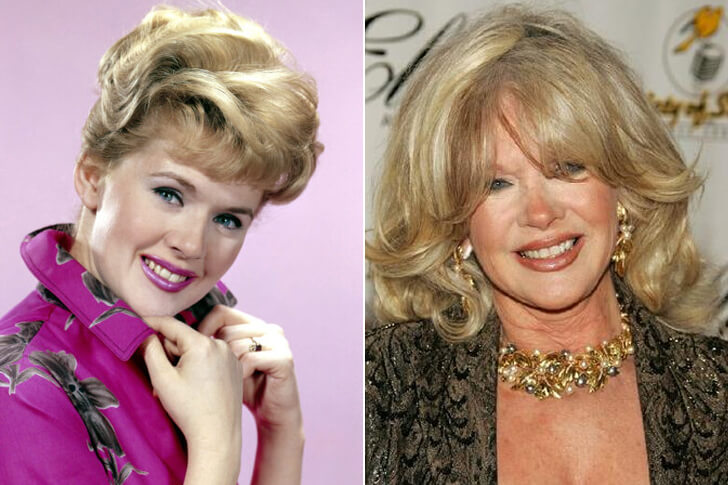
By the late 1950s, Stevens was already making waves. Her role on Hawaiian Eye kept her busy, balancing recordings and rising fame. In 1960, “Sixteen Reasons” hit the charts, turning her from a familiar face into a household name.
The early 1960s brought more opportunities. Movie roles followed, cementing her status in teen comedies. Starting her career singing with family, professional demands felt familiar. She later directed Saving Grace, showcasing her versatility. Unlike many celebrities who just endorse products, she developed a cosmetics line with real involvement.
The One Prop That Flipped Jack Nicholson’s Career on Its Head
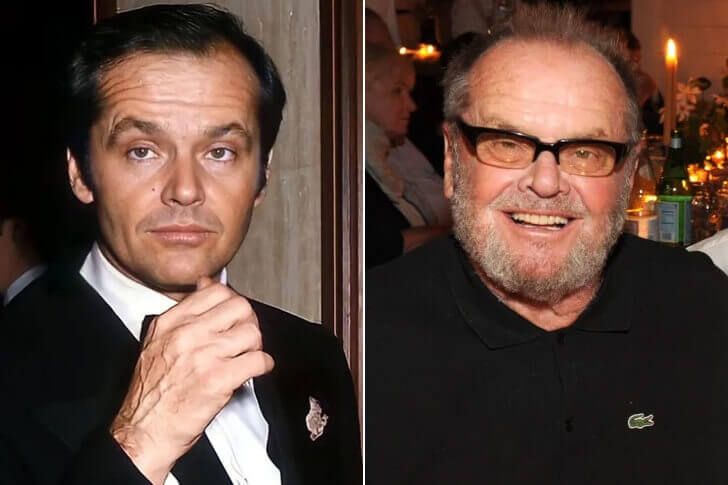
When the old Hollywood rulebook started looking dusty, Nicholson didn’t politely knock, he kicked the door in. In 1969, Easy Rider rewired the vibe of American movies and rode that shockwave into the spotlight. Then came Five Easy Pieces, where he turned quiet frustration into a live wire, making every pause feel like a threat. Chinatown followed, not as a nostalgia trip, but as a sleek, modern noir gut-punch. And in The Shining, he didn’t just play unhinged; he engineered it with precision.
By 1997, the trophies started stacking again with As Good as It Gets, proving he could weaponize charm and still cut deep. Long before the prestige scripts, he honed his craft inside studio pictures, sharpening his timing through relentless parts. After decades on sets, he eased off the accelerator, drifting back to painting, swapping production chaos for a calmer pace on his own terms.
The One Ballet Slipper That Turned Leslie Caron Into a Movie Legend
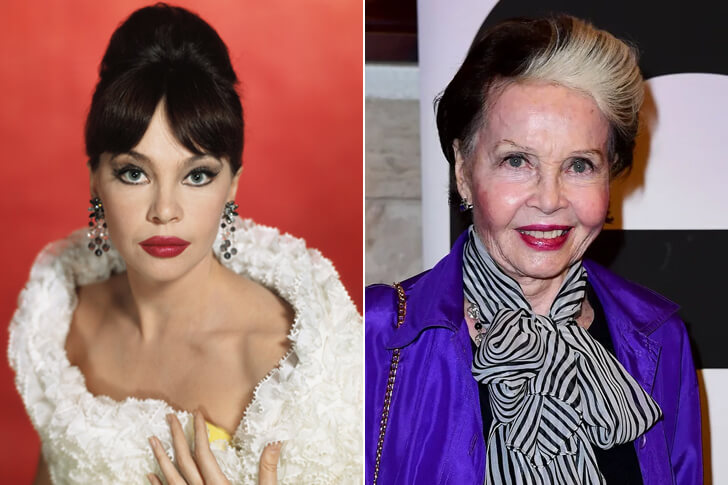
Hollywood has minted plenty of dancers, but few landed with the punch Leslie did. When An American in Paris dazzled audiences with its high-voltage charm, she wasn’t just keeping up, she was quietly stealing the frame. Then came Lili, where she earned an Academy Award nomination for proving she could act as fiercely as she could move. Gigi sealed the deal, sweeping the Oscars and cementing her in musical legend.
The actor's cool, controlled elegance was forged in Paris ballet training, emphasizing discipline. By the 1970s, Caron pivoted, acting less and focusing on writing, a move that expanded her range. In 2010, an Honorary César Award confirmed her impact. Surprisingly, she also ran a boutique hotel in Burgundy, greeting guests herself.
The One Tiny Role That Turned Robert Duvall Into a Screen Force
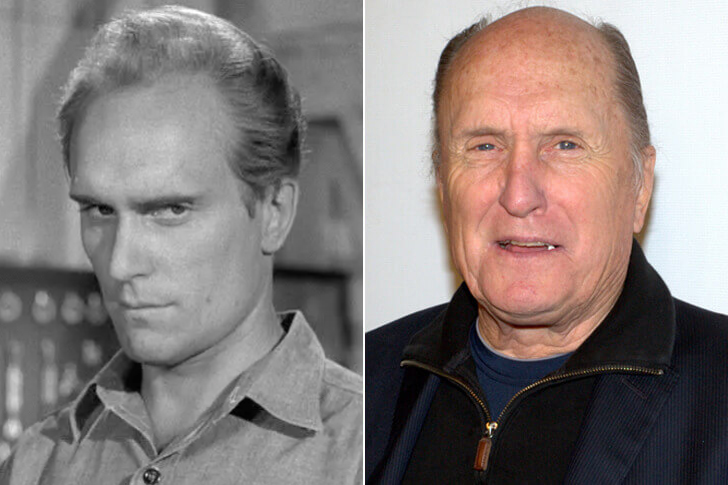
Before he became the guy directors trusted to radiate danger without raising his voice, the actor earned his stripes onstage, learning how to hold a room with timing and nerve. Then Hollywood caught up. To Kill a Mockingbird gave him a foothold in a film that refuses to fade. By 1972, The Godfather displayed his cool, controlled intensity, proving you don't need flashy speeches to leave a mark. Sometimes the quietest presence hits the hardest.
That steel sharpened in Apocalypse Now, where he moved through chaos with a calm that felt almost threatening. The industry admitted what audiences knew, and Tender Mercies landed him an Academy Award. In 1996, he pivoted, chasing tango in Buenos Aires. Despite bigger studios calling, he made room for smaller films, backing passion projects and staying committed to the craft instead of the hype.
The One Golden Globe That Turned Angie Dickinson Into a TV Force
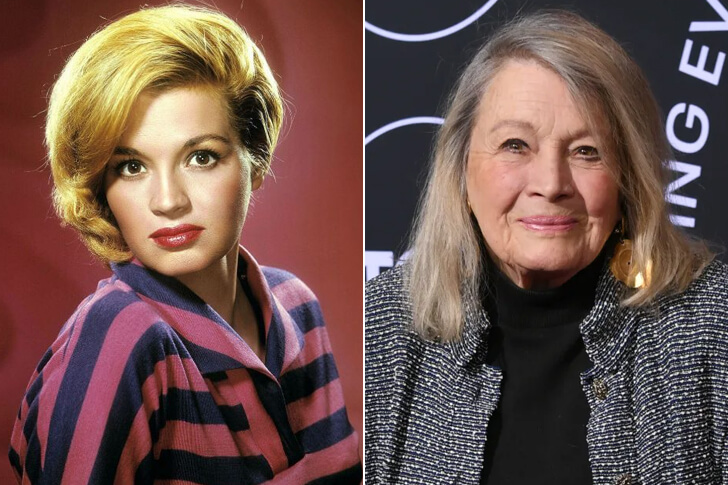
When Angie hit 1950s television, she didn't merely “arrive” but took over the frame. The camera adored her, and she used that advantage wisely. In 1959, starring in Rio Bravo, she matched John Wayne, exuding confidence. Later, Police Woman catapulted her to fame, earning her a Golden Globe and showcasing her resilience to rigorous schedules and constant rewrites.
Before acting, the actor worked as a secretary, honing speed and patience, skills that proved invaluable with Frank Sinatra’s poker crowd, where storytelling thrived. Her career surged with Ocean’s Eleven, reaffirming her timeless appeal to fans and her filmography's testament, effortlessly owning roles and projects alike.
The Velvet Cape That Made Billy Dee Williams Unforgettable
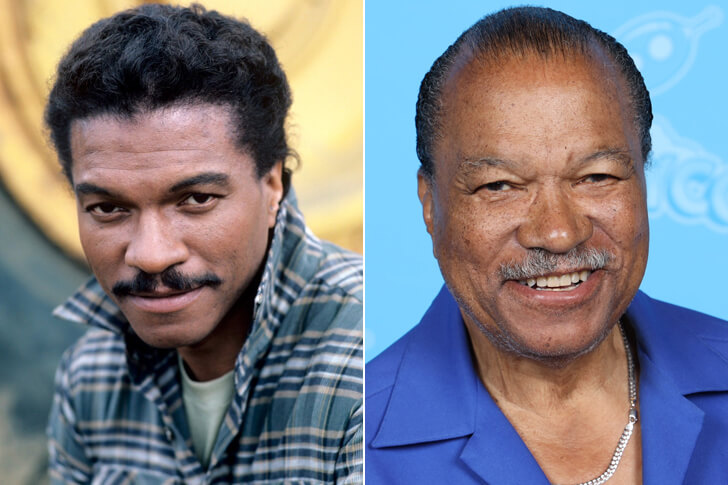
Charm did not tiptoe into Hollywood with Williams; it kicked the door down. By the 1970s, he was a magnetic force in American movies, making scenes feel smarter just by showing up. A lot of people noticed him in Lady Sings the Blues paired with Diana Ross. Then 1980 happened; The Empire Strikes Back landed, and he strolled in as Lando Calrissian, cool, controlled, and effortlessly dangerous, like he was born to wear that grin.
What made that era pop is how easily he bounced between romance and action, never looking like he was trying too hard. Away from the cameras, painting stayed his steady side hustle. Later, he widened his toolkit with voice work, including animated Batman projects and coauthoring a 1999 novel with a hardboiled, noir edge that fit his vibe perfectly.
The Vintage Headshot That Explains Ann McCrea’s Quiet TV Takeover
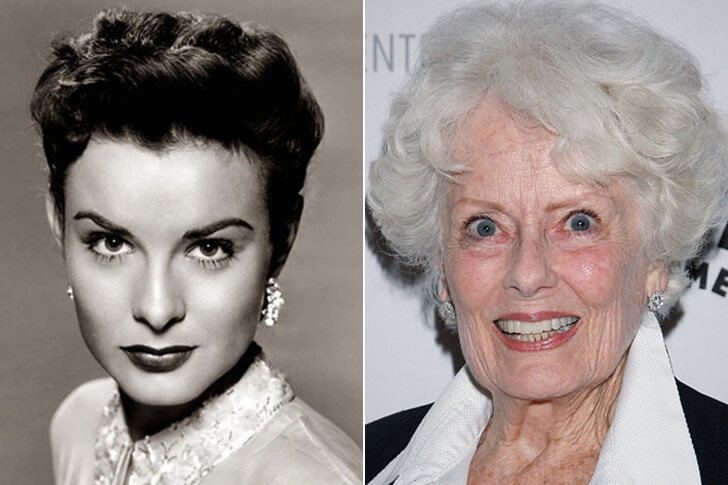
Early 1960s television could be stiff, then Ann showed up on The Donna Reed Show and the room felt lived in. She had that rare ease that made family sitcom sweetness feel earned. Across the decade, she balanced laughs with a straight face, right as America was bingeing on tidy living room stories. Her film work, including Welcome to Hard Times, proved she could trade cozy charm for grit when needed.
Long before acting became the focus, the actor was a model, learning how to hold a frame and sell a moment without a word. That polish paid off once the scripts got sharper. As the years rolled on, she eased into a calmer pace, staying connected through community work tied to California arts groups. Off-camera, she leaned into handmade gifts—not as some cute side note, but as a real habit that kept her circle close. It's a low-key legacy that outlasts a guest spot.
The 2002 Oscar That Turned Ron Howard Into a Quiet Power Player
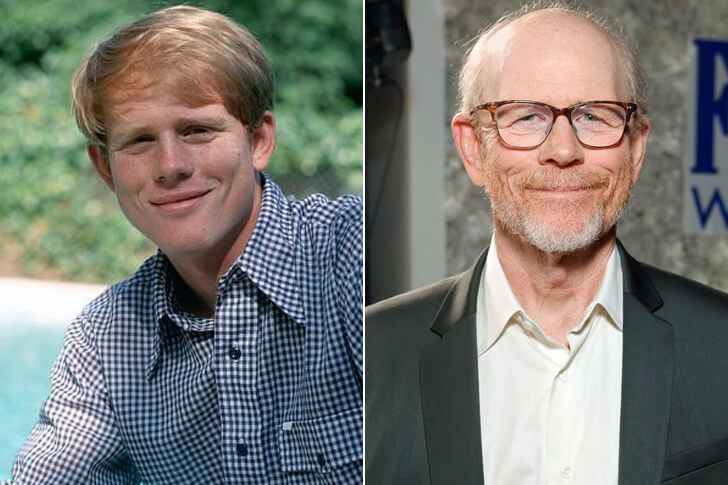
American TV practically used him as a measuring stick. First came “The Andy Griffith Show,” where he appeared as Opie, exuding effortless wholesomeness. Then “Happy Days” cranked the dial, and he smoothly fit into its faster, cooler vibe. The trick: even amid louder culture, his style remained calm and grounded. Viewers kept tuning in because he made straightforward stories feel significant, without gimmicks.
While most cling to the spotlight, he eyed the director’s chair, quietly honing his craft with short projects. The payoff arrived in 2002, when A Beautiful Mind swept the Oscars, silencing any notion of him as just a former TV kid. His fascination with history fueled later documentaries. Off set, he's often found in diners, absorbing stories from strangers, echoing characters audiences still cherish.
The One Oscar That Proved Shirley MacLaine Was Never Playing Nice
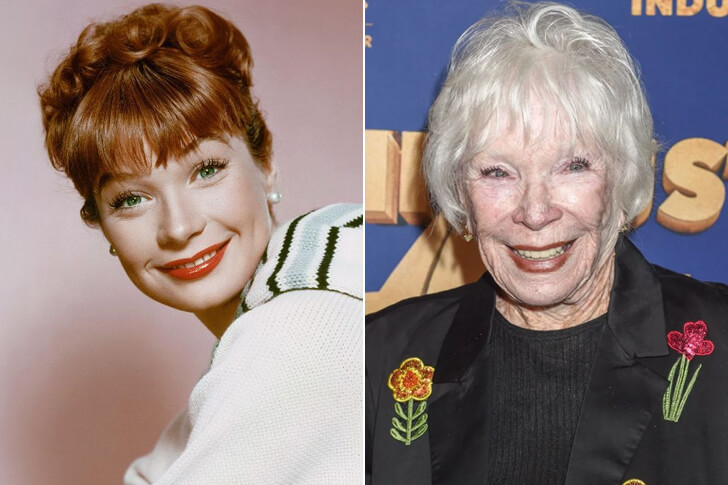
Some performers stroll into mid-century Hollywood and politely blend in. She did the opposite, arriving with a strange, electric quality you could not label and definitely could not ignore. You can feel it in The Trouble with Harry, where her sly timing and fearless weirdness give the movie its kick. Then The Apartment turns that spark into something sharper, mixing clean, punchy comedy with a bruised little ache underneath. The point was never to be cute or agreeable; it was to be real, unpredictable, and just uncomfortable enough to keep you watching.
The big, undeniable stamp came in 1983, when Terms of Endearment finally locked in the Academy Award for Best Actress. Long before the camera crowned her, she was grinding it out as a Broadway chorus dancer, a background that built stamina, precision, and the kind of nerve you cannot fake under bright lights. Later, she pivoted into travel writing, turning long trips into stories with bite and a dry, deadpan wink. On quieter nights, those tales became the kind of razor-edged dinner conversation that makes everyone laugh, then think twice.
The Leather Jacket That Turned Henry Winkler Into TV’s Human Lightning Bolt
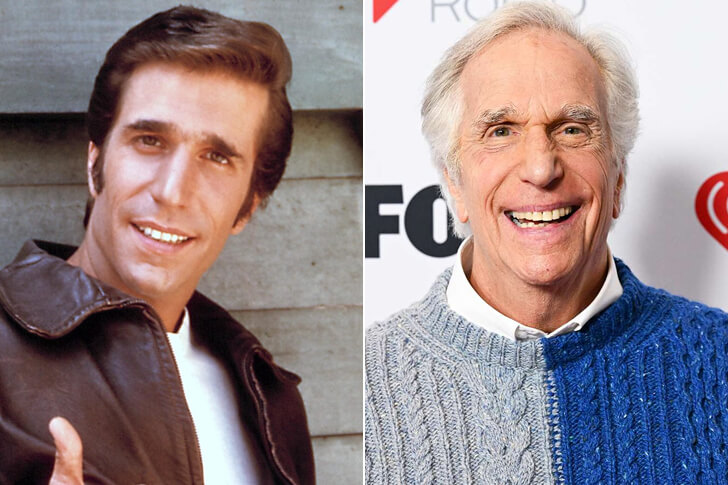
People love to act like Happy Days was just cozy nostalgia, but that is revisionist history. The moment Fonzie strolled in with that weaponized cool, television got a jolt in the ribs and suddenly woke up. The series didn’t just land jokes, it mixed comedy with real warmth, the kind that made each episode feel like a hangout you didn’t want to leave. Fame meant a schedule that could chew up anyone, yet he still snuck in small, breezy off-camera moments, because not everything has to be a performance. That early training showed up whenever a scene demanded quick, clean emotional turns.
Then 1977’s Heroes came along and, surprise, he wasn’t just a swagger machine. The role put his dramatic chops on the table and made it harder to keep him boxed into one vibe. Another pivot hit in 2004, when he started publishing children’s books after time spent visiting classrooms. That move wasn’t a gimmick, it was a new lane, and he committed to it. Along the way, he’s also become the kind of mentor younger performers actually want around, offering practical, no-nonsense advice that keeps their creativity moving, shaped by the hard-earned perspective of a long, steady career.
The One Emmy Detail About Ann Elder That People Always Miss
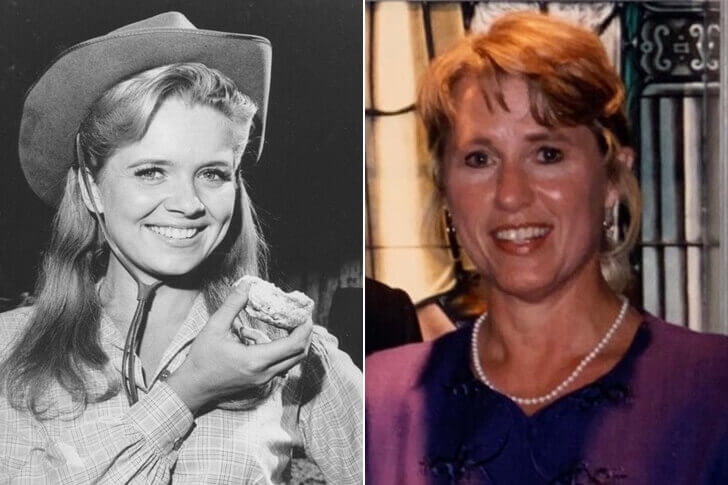
In the early 1970s, comedy had teeth, and Rowan and Martin’s Laugh-In was a weekly dare. Elder slid into that circus like she owned the place, snapping lines with sharp timing and a mischievous vibe. The show could flip from polished to mayhem, and her bold choices kept everyone alert. Then came her Emmy-winning work on Lily. Some peers acted surprised, funny considering she’d been grinding in the background, stress-testing jokes and sanding punchlines.
She didn’t stay boxed into TV. Elder grabbed film parts, like in Don’t Make Waves, and her modeling experience paid off with quick wardrobe swaps. The writing momentum grew in 1976, with a second Emmy for another Lily Tomlin special, proving she wasn’t a one-night wonder. She also stepped into producing with A Funny Thing Happened on the Way to the White House, showing she could run the room, not just steal it.
The One TV Saddle That Still Has People Talking, Robert Fuller
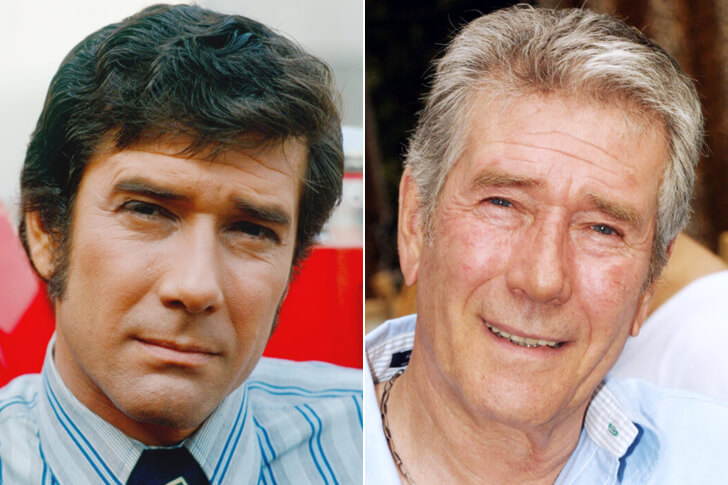
Back when TV Westerns ran the schedule like they owned the place, Fuller looked like he’d been born with dust on his boots. His big break hit in 1959 on Laramie, and he held the screen with unbothered confidence and sharp timing frontier drama demands. Viewers bought what he was selling because it felt real, not cosplay. He rode that wave into Wagon Train, where the stories stretched wider, the terrain got rougher, and his steady presence kept it from tipping into melodrama.
Then 1972 happened, and Fuller swerved hard into Emergency!, trading cattle drives for sirens without losing an ounce of credibility. In a modern rescue world, his calm energy did the heavy lifting, the kind of grounded performance that makes chaos feel believable. Off camera, his horsemanship obsession never cooled; when the spotlight dimmed, he stayed close to rodeo life. Western heritage groups later handed him awards for his contributions, and a German fan club keeps the devotion loud with an annual celebration.
The One Golden Globe That Lit the Fuse for Warren Beatty
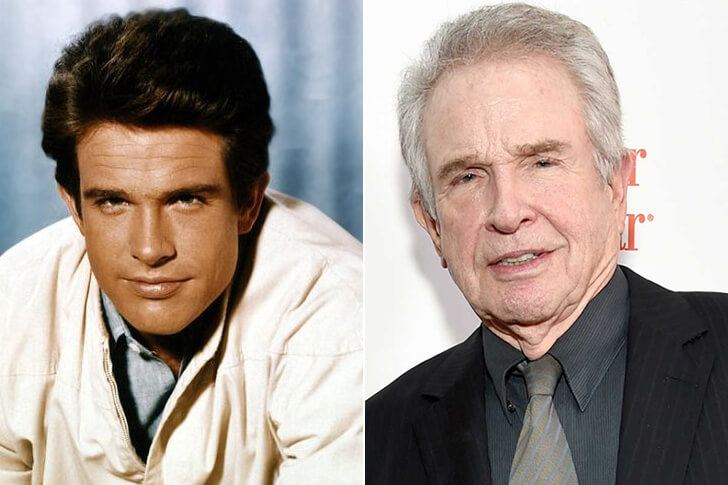
Beatty hit the scene when American movies were begging for a shake-up. Then Bonnie and Clyde arrived, showing audiences could handle sharper edges, darker laughs, and chaos. The buzz grew when Shampoo landed with its razor-smart comedy, making Hollywood squirm. The Golden Globe that followed wasn't just a trophy; it was a signal flare: he was settling into the big leagues.
He doubled down with Reds, a deliberate epic, earning him an Academy Award. Unlike typical star-producers, his obsession with craft stood out. Beatty spent quiet stretches watching cuts, studying edits, and training his eye like a muscle. Film historians cite his producer mindset to show how risky, auteur-driven projects get willed into existence.
The One Mime Trick That Turned Michael Richards Into a Sitcom Weapon
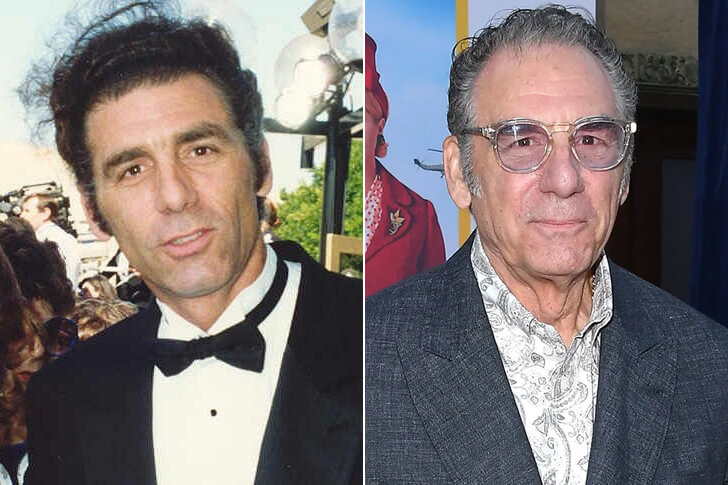
Richards barged into 1990s TV history, challenging viewers to keep up. He became a household name in 1989 with Seinfeld when he transformed a hallway entrance into an unforgettable spectacle. His involuntary laughs led to three Emmys, proving his physical comedy was the main draw, pushing the limits of sitcom performances.
This controlled chaos had roots. In 1980, the actor honed his skills on Fridays, a sketch show thriving on speed and risk. By 1992, workshops encouraged even bolder choices, commitment was key. The secret sauce? A mime background granting him precise control. What seemed wild was meticulously calibrated for comedic effect.
The Fire Helmet That Landed Burton Gilliam in Hollywood
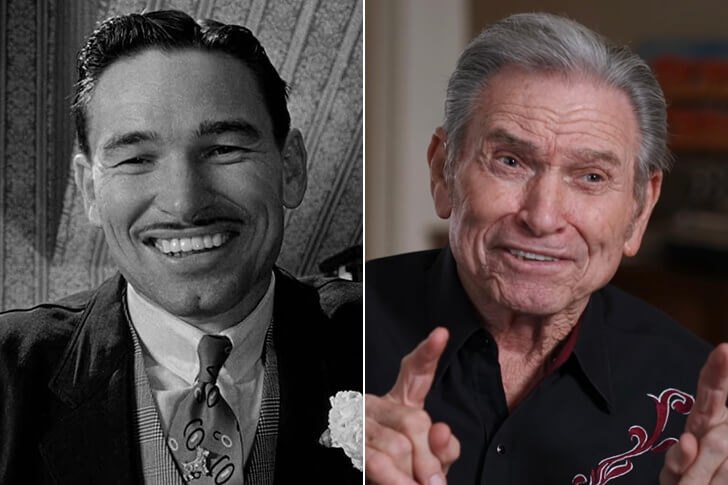
Gilliam didn’t stroll into show business through some fancy drama school pipeline. He came charging in from the Dallas Fire Department, which is about as un-Hollywood as it gets. Then Blazing Saddles happened, and audiences noticed that razor-sharp timing and effortless charm. The funny part is, the warning shot was already fired: Paper Moon (1973) put him on the map with a relaxed, natural presence. This so-called unlikely career pivot soon seemed less like luck and more like inevitability.
In the 1980s, television kept him in steady rotation, with guest spots offering quick, clean line reads and a no-nonsense rhythm. Commercials turned his face into familiar shorthand for down-to-earth credibility. Even with screen work piling up, he never played the “too famous for my old life” card; he stayed tight with the firefighting world and showed up for charity events into the 1990s. Before any of that, he’d gone rounds in Golden Gloves boxing, and that grit later showed in his movement on camera.
The Yale-Trained Secret Behind a Desert Monster Classic, Born 1947
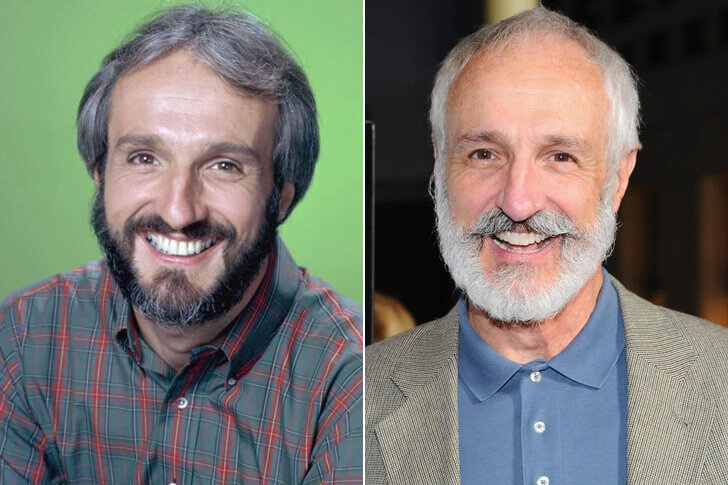
Michael Gross anchored Family Ties, bringing a calm center to the sitcom. He then took a different direction with Tremors, transforming a dusty town into a cult classic. His steady control was honed with Yale drama training, sharpening his timing, focus, and presence.
Throughout the 1980s, he excelled in character roles, proving his range. Directors favored him for his reliability and rhythm. By 1996, he moved into documentary narration, delivering a measured voice on environmental topics. Off-camera, photography became his creative outlet, keeping his eye sharp during busy times.