
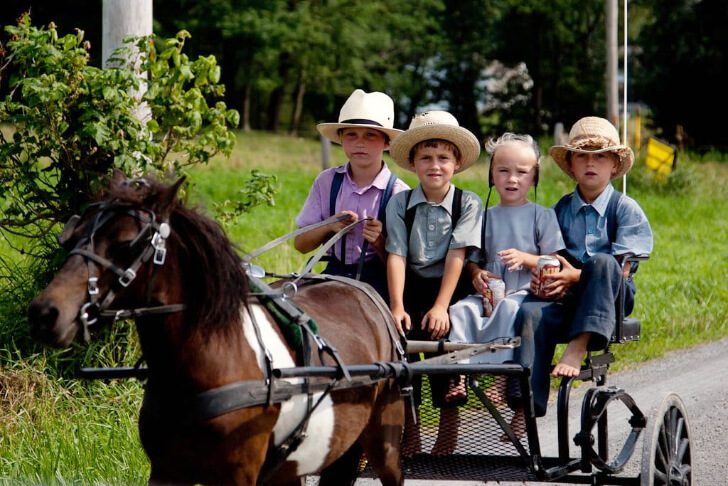
When everyone around you treats a phone upgrade like a competitive event, it’s kind of soothing to remember there’s a whole community out there happily opting out. That’s the Amish, the real pros of keeping life simple, even when the rest of us are drowning in apps, subscriptions, and stuff we barely use. Sure, you picture barns, quilts, and buggies, but the bigger story is how intentionally they live. Their version of “having enough” isn’t trendy minimalism, it’s a practical system that keeps money stress low and priorities clear.
Instead of obsessing over tiny budget hacks, they lean on community, sustainability, and doing things for themselves whenever possible. That mix quietly cuts costs, reduces waste, and makes spending feel more purposeful. The surprising part is how modern the lesson is: financial calm usually comes from structure and restraint, not constant upgrading. So what can you borrow from their approach without giving up electricity? More than you’d think, and it starts with choosing balance over convenience.
Why the Amish Skip Smartphones and Still Seem Rich in Time
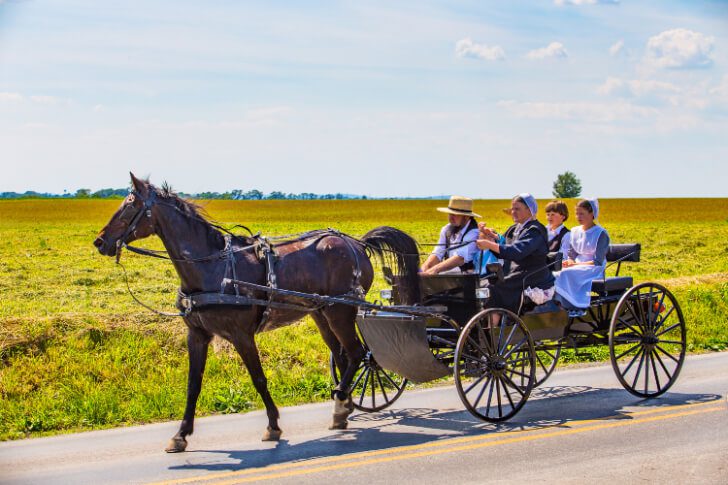
The Amish trace their roots back to Switzerland in the 1600s and have built a reputation around a core idea: life works better when you keep it simple. No scrolling, no shiny new cars, no constant upgrades. Instead, it’s early mornings, real work, and skills that carry you through the day. Their traditions are not a quirky aesthetic; they are the framework. By choosing fewer distractions and fewer "must-haves," they put energy into family, faith, and self-reliance.
Living as a close, private community, they lean on each other rather than outsourcing. This mindset pushes them toward sustainability, repairing, reusing, and avoiding purchases driven by status. It keeps spending in check, as "extra" isn’t the default setting. Most of us won’t ditch modern convenience, but their approach resonates: focus on what you truly use, cut the rest, and watch your budget—and headspace—breathe again.
The One Unexpected Lamp That Makes Off-Grid Life Feel Surprisingly Cozy
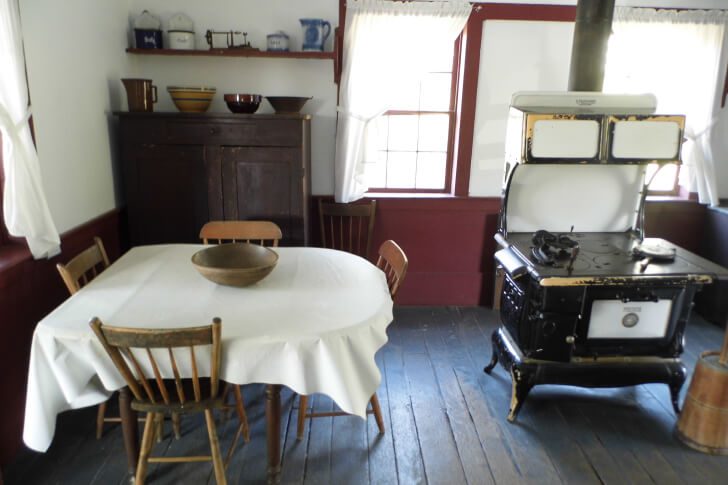
In many Amish Mennonite homes, electricity is seen as an unnecessary temptation, much like a selfie stick at a barn-raising. The vibe is deliberately off-grid, low-tech, and calming. While fewer outlets mean smaller bills, residents are not left in darkness. Nights glow warmly with kerosene lamps, creating a timeless, cozy atmosphere without fancy lighting.
Chilling food is managed with gas-powered refrigerators that keep items cold without the electric hum we’ve grown accustomed to. The community is pragmatic; electricity may appear for emergencies or essential uses. It’s less about complete avoidance and more about mindful use, which is a smart approach to power.
The One Facial-Hair Rule Behind Amish Chin Beards (and the Missing Mustache)

Ever look at an Amish chin beard and think, “Okay, but why no mustache?” That choice is not random, and it is not just a style preference. It’s tradition with a side of quiet pushback. The look traces back to the 1800s, when Amish men wanted a clear visual line between their community and the wider culture, especially the military and whatever facial-hair fashion was popular at the time. So the beard stayed, but the mustache had to go, and that contrast became instantly recognizable.
Mustaches were linked to military identity, so keeping one suggested a tie to service and the “outside world.” The Amish avoided that by skipping the mustache. The chin beard stuck around as a marker of adulthood and masculinity, often growing after marriage. It is practical: easy to maintain, warm in cold weather, and consistent with a simple, no-frills appearance. No mustache, no confusion, and a tradition that still holds up.
Why Amish Barn Phones Might Be the Smartest “Nope” to Tech FOMO

While everyone else races to download the newest app, the Amish are parked in the “we’re good” lane. In their world, technology is a tool, not a personality. Phones appear only when work demands it, like handling business or jobs. No doomscrolling or TikTok rabbit holes. They seem fine opting out of the constant buzz.
Devices usually don’t live in the house but are tucked in a barn or workspace, used with intention, and left behind. This setup prevents tech from creeping into quiet moments. The Amish remind us we can live fully without memorizing iPhone specs or chasing the next “must-watch” show.
The One Little Habit That Keeps the Amish Out of Credit Card Trouble

With Americans buried under more than $1 trillion in credit card debt (yeah, it’s a lot), the Amish are basically sitting in the front row, calmly taking notes on what not to do. In their world, debt isn’t a normal part of adulthood, it’s something you steer clear of on purpose. No juggling balances, no “I’ll deal with it later” payments, no pretending minimum payments are a plan.
Their whole approach is built around a simple rule: if you can’t pay for it, you don’t buy it. That means no swipe-first, regret-later shopping, and no “charge it” mindset. They save up, purchase what they actually need, and keep life pretty straightforward. While everyone else is sweating over interest rates and maxed-out cards, they’re quietly doing the rarest thing in modern money life: staying debt-free.
Why an Amish Loan Application Feels Like Spotting a Unicorn
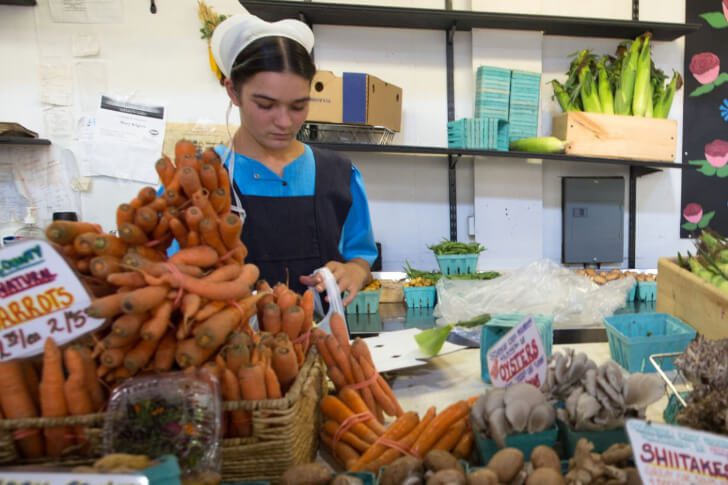
When it comes to borrowing, the Amish move with caution akin to a squirrel crossing a road. They do not grab a loan simply because it is available. First comes the hard math and the practical question: can we actually afford this? If not, they wait, save, or scale back. When borrowing makes sense, they favor local lenders they know and trust, avoiding big banks when possible.
This careful approach makes them a safe bet for lenders. Their money habits lean toward “pay as you go,” with debt being an exception. They do not juggle balances or stretch payments; they borrow sparingly and treat repayment as a promise. For banks, this is ideal: low drama, low risk, and steady follow-through. Loans may be rare in their world, but they are handled quietly and responsibly.
The Surprising Thing Amish Bargains Are Really Built On
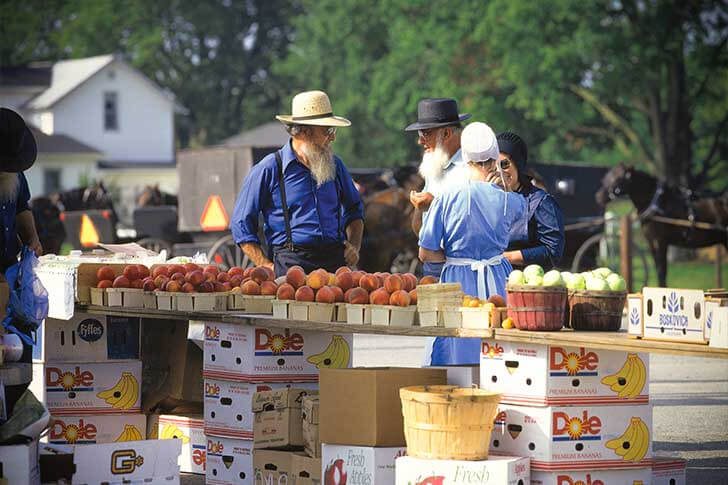
Skip the price tags and endless checkout beeps; this is where trading feels personal. In Amish communities, bartering isn’t a quirky throwback—it’s practical business. At farmer’s markets and roadside stands, people swap goods based on real usefulness, not labels. Need fresh eggs? A loaf of homemade bread can suffice. Eyeing a hand-built chair or table? A basket of apples or another homegrown staple might be the perfect counteroffer.
What makes it work is that the “value” transcends cash. Skill, craftsmanship, and neighborly support matter. Instead of a quick swipe, each trade is a relationship, built one fair exchange at a time. It’s commerce with memory, where people remember who makes the best jam, builds the strongest shelves, and keeps their word. A solid handshake and fair deal often feel richer than any printed total.
The Quiet “Bank” Behind Amish Life, and It Isn’t a Building

In Amish communities, money isn’t a personal trophy; it’s a tool for the whole neighborhood. Successful individuals act as low-key lenders, offering affordable loans to young adults ready to buy land, start a farm, or build a home. No paperwork, sales pitches, or “credit score” drama—just trust, reputation, and the shared goal of strengthening the community.
The idea is simple: everyone does better when everyone has a chance. Families use extra cash to help new households stabilize. This support can be the difference between scraping by and building something solid. It counters a “good luck, you’re on your own” culture, viewing current assistance as an investment in tomorrow’s thriving farms and neighbors.
Why This Faceless Doll Has Kids Completely Hooked

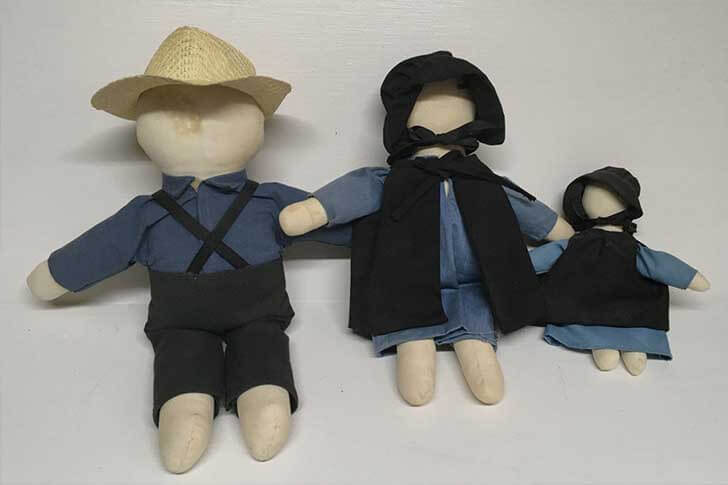
If you ever wander into an Amish shop, you might notice a little cloth doll that feels oddly mysterious at first glance. No eyes, no smile, no expression at all. It can look a bit like something from a spooky story, but in a surprisingly wholesome way. The truth is much sweeter: the blank face is intentional, and it’s meant to spark imagination instead of shutting it down with a fixed look or mood.
When a doll doesn’t “tell” a child how to feel, kids get to decide everything. One day it’s brave, the next day it’s shy, and by lunchtime it’s probably the hero of a brand new adventure. There’s no built-in storyline, no character branding, and no cues to follow. It’s just a simple toy that invites pure, make-it-up-as-you-go play, giving Amish children a clean slate for creativity.
The Surprising “No-Screens” Secret Behind Amish Fun
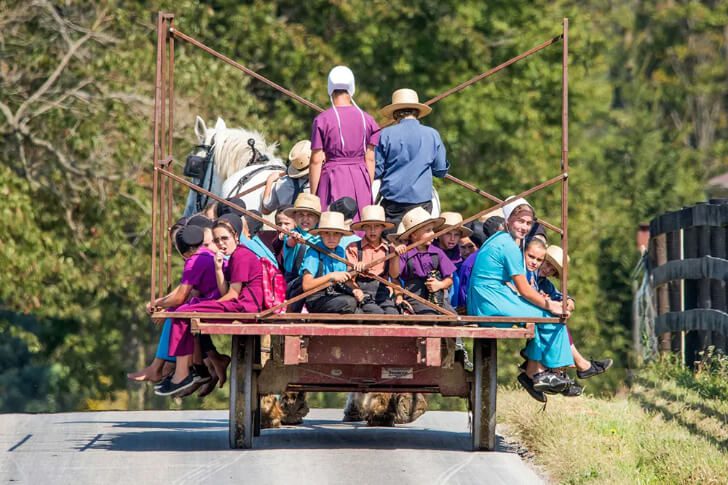
For the Amish, fun usually has nothing to do with controllers, streaming queues, or staying glued to a screen. It’s more like stepping outside and actually doing something, together. Picture a long walk on a pretty trail, a hike that turns into a chat session, or a classic hunting trip where the point is just as much the company as the outing itself. No fancy gadgets, no techy gear, no “must-have” upgrades, just sturdy boots, open sky, and people you know well.
That kind of recreation gets you moving, clears your head, and keeps you connected to your community. While everyone else is racing to keep up with the newest trend, they’re out there enjoying the simple stuff, a quiet afternoon outdoors, a shared routine, and time that doesn’t feel rushed. Honestly, it’s a solid way to reset and come back feeling human again.
The Surprising Language Trick Amish Kids Pull Off Before First Grade
Amish kids have a pretty wild language advantage, and it starts early. By the time they hit school age, many are already comfortable in three languages. At home and around the community, they speak Pennsylvania Dutch, the everyday, casual language for jokes, chores, and family talk. Then there’s High German, mostly reserved for church, where tradition matters and the wording is more formal.
On top of that, they learn English for school and for dealing with the broader world outside their community. Meanwhile, a lot of us are still wrestling with one shaky second language. They’re basically running a built-in immersion program, and making it look effortless.
The Amish “Ordnung” Explained, the Rulebook That Runs Everything
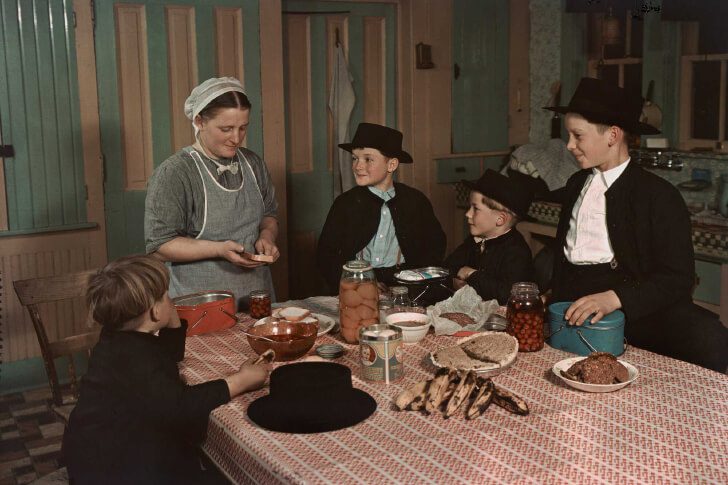
Amish life goes beyond farming and avoiding the latest gadgets. The real engine is their built-in life manual. It dictates everything from clothing to handling money. The word comes from German, meaning “order” or “discipline,” and aims to provide a steady life rhythm with fewer uncertainties.
It's not just suggestions; it’s a detailed guide into daily living, worship, and family routines. This blueprint keeps the Amish grounded and connected amid rapid changes in the outside world. It simplifies decisions, maintains consistent values, and reinforces community bonds, making a personal life coach seem redundant.
The One Amish Word That Can Turn Your Whole Life Inside Out

Some communities handle drama with a chat, maybe a warning. The Amish use a sharper tool: “Meidung,” meaning shunning, which changes daily life. Breaking a major rule or opposing community values isn’t a small mistake. It’s a response that’s felt, not just heard.
It means being cut off from normal social contact and community gatherings. You’re there, but not included, like watching through a window. It’s not cruelty; it’s pressure, a reminder to maintain peace and shared expectations. Ignoring an obligation like Sunday service? “Meidung” is just one bad choice away.
The One Outfit Rule Behind Amish Clothing
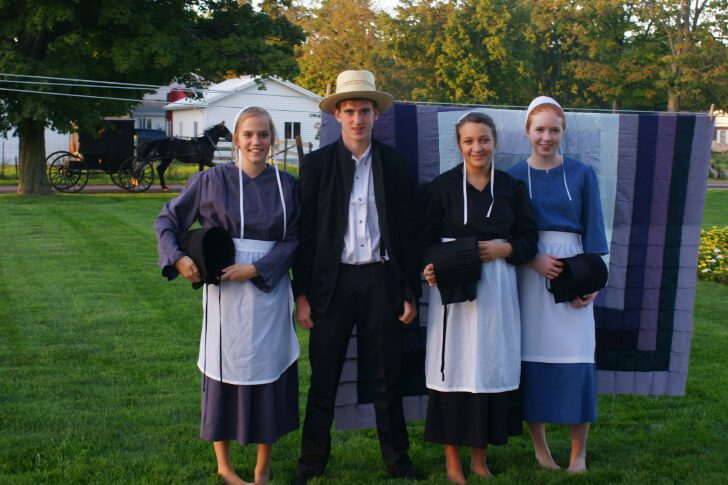
Stop stressing about what’s “in” this season, because this style guide does not care. Built on simplicity and tradition, it features plain dresses for women, black trousers with no fuss shirts for men, and a big, clear no to anything showy. That means no flashy jewelry, no bold makeup, and no look at me accessories. The goal is to keep things practical, consistent, and modest, so clothing remains clothing, not a personal billboard or a daily decision spiral.
The point is not to stand out, it’s to fit in and stay connected to the community. This approach quietly proves that less can actually feel like more, more calm, more focus, more ease. They’ve basically mastered the minimalist, comfortable, grounded vibe without turning it into a trend. If you ever wish you could ditch wardrobe drama and just get on with your day, their playbook is a pretty convincing place to start.
The One Dish That Turns a Potluck Into an Unbeatable Hangout
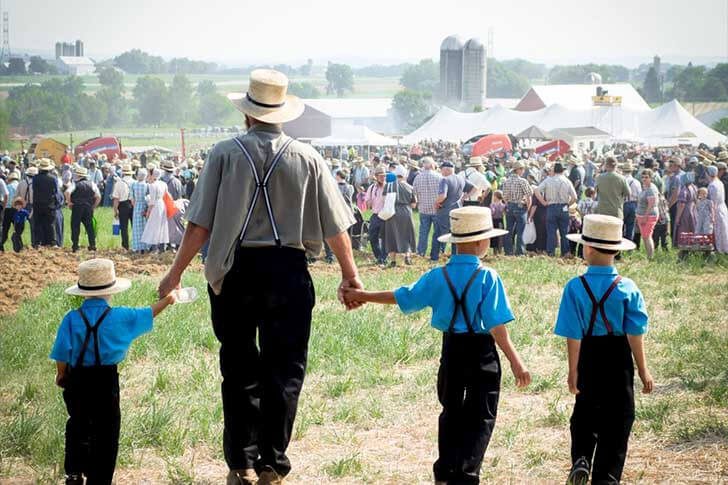
Amish communities have the whole “good party” thing figured out, and it has nothing to do with renting a venue or showing off the latest gadget. Their best get-togethers are simple: potlucks, family reunions, and seasonal festivals where everyone shows up with something to share. Older folks swap stories that have been told a hundred times, but still land every time. Little kids tear around giggling, and teens actually talk and connect in ways no app could ever fake.
It’s community in its purest form, low cost, high payoff. These gatherings build real bonds and leave you with memories that stick, without needing flashy entertainment or constant screens. For the Amish, coming together is not just a fun option for the weekend, it’s a core part of how they live, celebrate, and stay connected.
The One Habit Behind Amish-Level Savings (and a $400K Nest Egg)
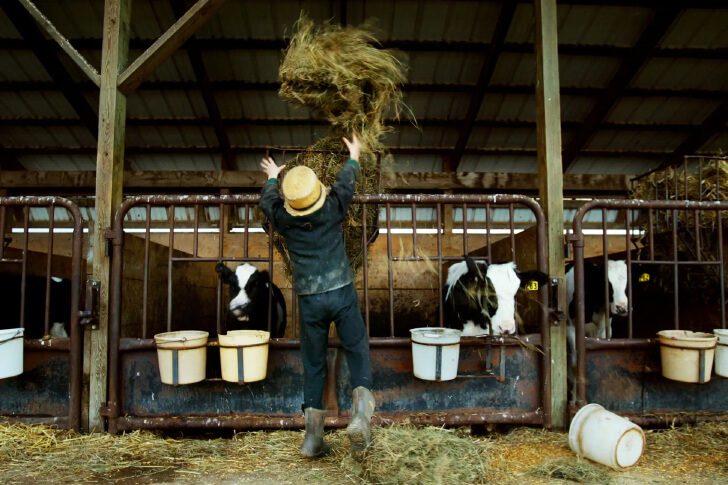
Saving money is not just an Amish thing, but they've made it their signature move. While the average American saves around six percent of their income, they reportedly save closer to 20 percent. Take a farmer in Bird-In-Hand, Pennsylvania: he rented a farm, raised 14 kids, and still managed to save $400K over 20 years. That’s disciplined saving, even with a full house and real expenses.
They're not chasing new gadgets or falling for impulse buys. The ethos is simple living, practical choices, and saving on purpose. Instead of upgrading at every turn, they stick with what works, letting savings grow. For motivation to get serious about your own plan, consider this: fewer distractions, fewer “treat yourself” moments, and more consistency. It’s not flashy, but it’s a path to financial breathing room.
Why Amish-Made Furniture Lasts Forever (and the One Thing They Often Can’t Keep)
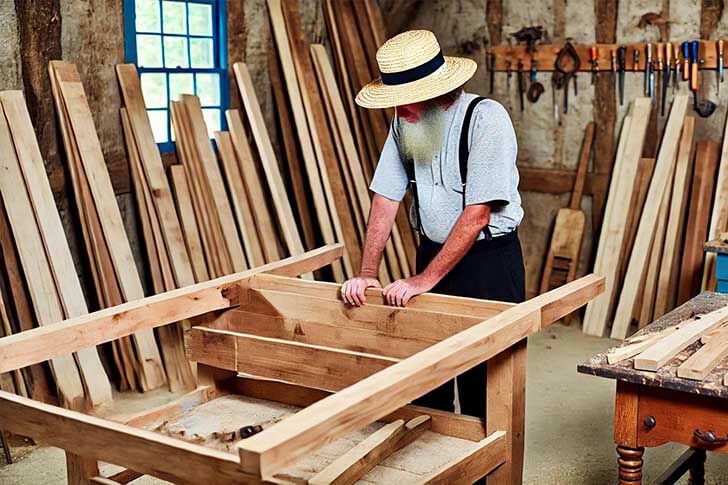
Whether it’s woodworking, metal fabrication, or putting up a house that feels like it could survive a tornado, Amish makers are in a league of their own. The real story is the craft. This community turns raw materials into heirloom furniture, rock-solid buildings, and detailed metalwork rivaling pricey showroom pieces. Nothing looks rushed, nothing feels flimsy, and the whole point is simple: build it right, then let it outlive you.
Now for the twist: a lot of what they produce can’t even come back through their own front doors. The same handcrafted items they may avoid using at home are exactly what everyone else is chasing. Buyers around the world want the durability, the clean design, and the no-shortcuts quality. These makers end up supplying some of the most sought-after goods, even when their own rules mean they admire that work from a distance.
The One Unexpected Habit Behind Amish Businesses’ 5-Year Success Rate
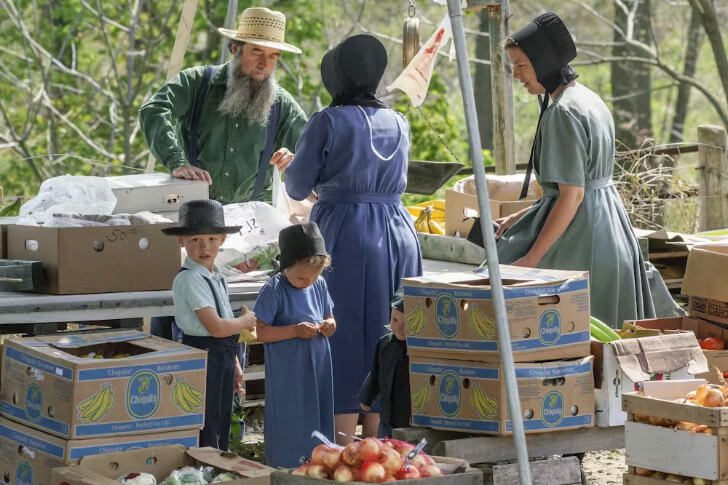
In the small business world, staying open for five years can feel like winning the lottery. Most American small businesses are basically flipping a coin, with only about a 50 percent chance. Amish-run businesses, though, play a different game. They’re sitting around a 95 percent survival rate after five years, which is wild to consider. So what’s the secret? It’s not some trendy app or flashy brand refresh. It’s teamwork, plain and simple, in their daily operations.
Amish leaders aren’t tucked away in an office barking orders. They’re on the floor, in the shop, or out on the job, working alongside their “English” employees. This hands-on leadership changes everything. People feel seen and genuinely included, not like replaceable parts. There’s less posturing and more doing. No fancy rituals or endless meetings. Just steady effort, shared responsibility, and mutual respect, which might be the smartest business strategy out there.
Why Amish Families Buy Flour by the Sack (and Oats by the Barrel)
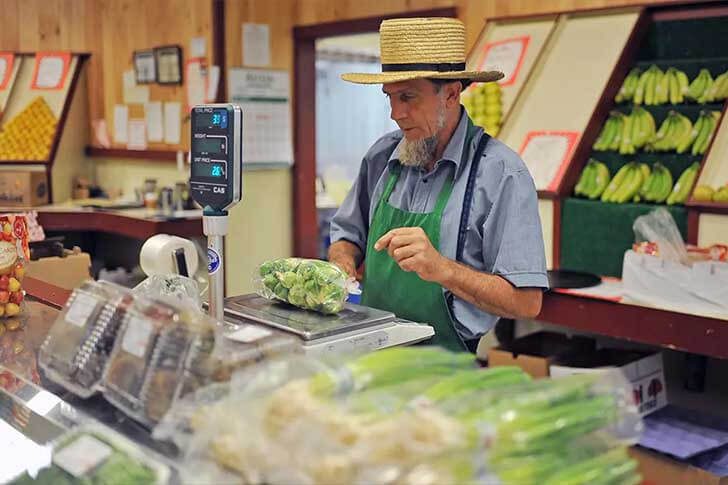
Feeding a family in Amish culture is akin to provisioning for a small community. With households often having around seven children, shopping becomes bulk buying. Think hefty sacks of flour, large bins of oats, and other staples bought in significant quantities. It’s practical, efficient, and fits a lifestyle where home cooking is the norm and meals need to stretch. When feeding that many people daily, “a little extra” becomes the plan.
Amish-oriented stores cater to this approach, allowing families to stock up without frequent trips to town. These trips aren’t for a single loaf of bread but to prepare the household for weeks. Buying in bulk means fewer errands, less waste, and a pantry ready for whatever the week brings. It’s a practical system that makes a lot of sense.
The Surprising Thing They Make From Worn-Out Clothes
They’re the kind of people who look at “waste” and see opportunity. Extra food from the kitchen does not automatically mean garbage day; it often becomes feed for farm animals or gets put to use in ways that support nearby farmers. The same mindset shows up with clothing, too. If something no longer fits, it does not get dumped or forgotten in a closet. It gets handed down through the family, staying useful for as long as it possibly can.
And when a piece of clothing is truly done, it still is not treated like trash. Instead, those old fabrics get sliced into bright, sturdy strips and woven into handmade rugs. It’s practical, it’s clever, and it turns a worn-out shirt into something you can actually use every day. Honestly, it’s hard not to admire how naturally they stretch every resource and keep things in circulation.
The Secret Weapon Behind Amish Wardrobes, It’s Not What You Think
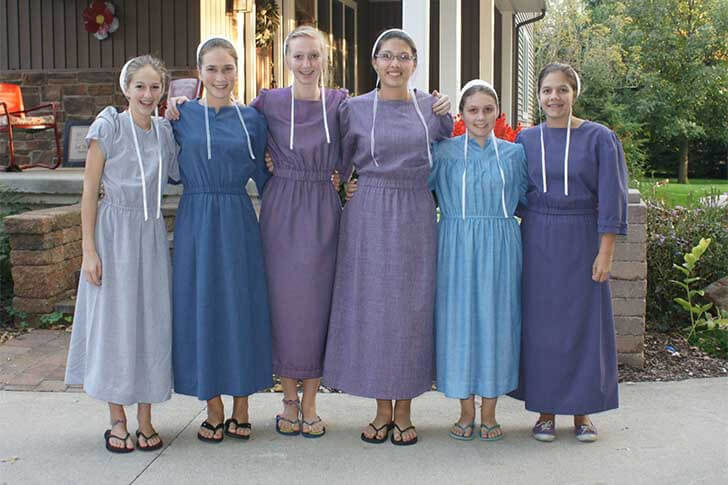
Keeping a big Amish family fed is a full-time job, but getting everyone dressed is its own kind of superpower. While the rest treat thrift shopping like a trendy hobby, they have mastered secondhand living for generations. Hand-me-downs are standard, garage sales are gold mines, and community swaps are the social calendar. The goal: clothes that are affordable, durable, and modest. It’s practical and more intentional than most “thrifting hauls” online.
Step into their thrift stores to notice the vibe: useful over flashy, sturdy over fussy. Nothing sits around unloved; almost everything has a second life waiting. For them, “reuse” isn't just a slogan, it’s a lifestyle. So next time someone flaunts a vintage find, remember this: the Amish have been shopping secondhand longer, doing it better, and making it look effortless all along.
The One Pantry Staple the Amish Mastered Long Before “Farm-to-Table”
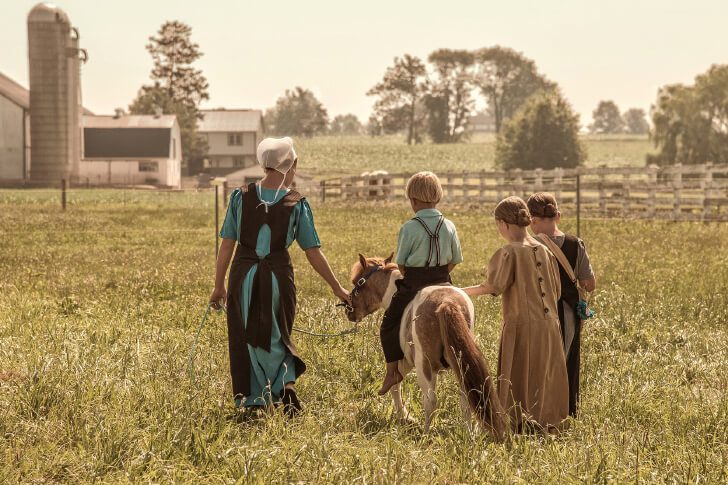
Long before “farm-to-table” became trendy, the Amish quietly excelled at it. For generations, they’ve produced food naturally, growing produce without chemicals and raising animals traditionally, reflecting real seasonal cycles. Their approach predates modern restaurant trends.
They even have a term, “freinschmecker,” for those who value genuine, homemade food. It evokes images of fresh vegetables picked at their peak or hand-baked bread, warm and sincere. This simple goodness is not new; it’s a long-honed skill. The original foodies never needed a hashtag.
The One Wall Decoration You Won’t See in an Amish Home
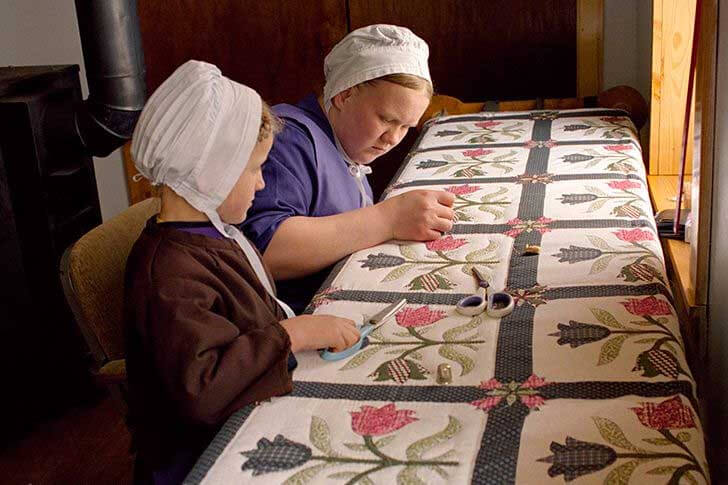
In a world where every moment turns into a selfie, the Amish do memories differently. Creativity, music, and writing are important in their community, but portraits are a no-go. Painted likenesses and photographs are seen as “graven images,” conflicting with their beliefs. So you won't find family headshots on the mantel, even for big milestones.
How do they hold onto loved ones? Mostly the old-fashioned way: through stories, shared experiences, and attentive details. Memories live in conversation, letters, and storytelling. It’s grounding to remember someone for what they did and how they made you feel, not just a snapshot.
The Social Security Card the Amish Never Use
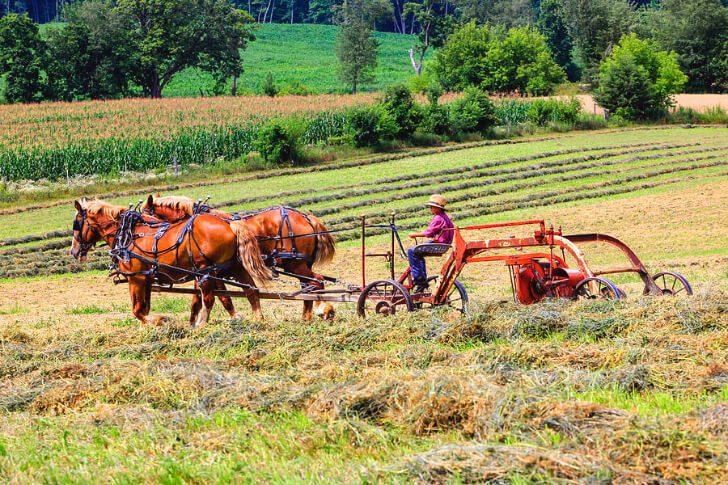
The Amish handle retirement in a way that belongs to another era, as they generally do not rely on Social Security. With a longstanding exemption linked to their beliefs and traditions, many do not pay into the program or plan to collect benefits. Instead of government checks, their retirement is built around people, with family, neighbors, and the church community supporting elders.
This mindset is not “no help ever,” but “we take care of our own.” When elders need support, the community offers money, meals, labor, and care. Consider it a safety net of relationships, not paperwork. Their planning involves showing up, pitching in, and maintaining the system through shared responsibility.
The One Thing Amish “Wealth” Buys That a Lamborghini Never Will
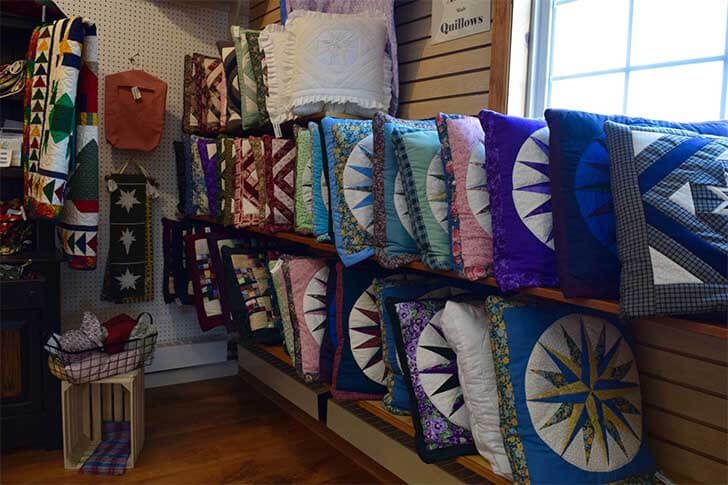
The Amish way with money makes most budgets seem dramatic in a bad way. They do not chase upgrades, flaunt cars, or treat closets like runways. Their goal: stability and building something lasting. They choose practicality, careful spending, and work that sustains the household. It is about staying grounded, not quick wins, even when the world is sprinting.
Instead of the classic American dream of accumulating stuff, they focus on what truly holds life together: family, neighbors, and future generations. Financial success is not about cars or clothing labels but stability, shared responsibility, and community support—something you cannot buy at a dealership. This leads to wealth built on relationships and resilience, not just numbers on a statement.
Why the Amish Trust a Hammer More Than a Stock Chart
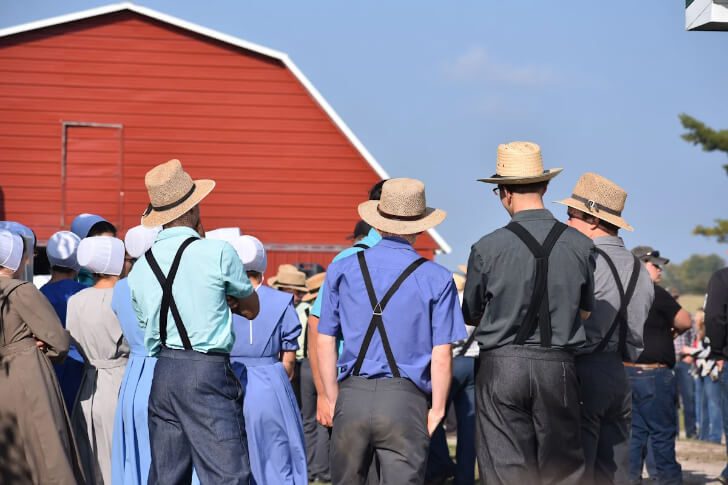
Stocks, bonds, and crypto are not the Amish idea of a solid nest egg. Instead of chasing what's hot, they invest time and money into tangible assets: carpentry tools, quilting supplies, sturdy farm equipment, and skills. Their investing involves building, repairing, and producing something real over time.
Wealth, to them, isn’t paper assets or market luck but a barn, a lasting quilt, or farm equipment. The goal is steady, dependable value supporting family and community. Tangible assets can be handed down, taught, and reused for generations. For a different money wisdom, consult a carpenter or quilt-maker.
The Wedding Gift That Beats a Price Tag Every Time, a Simple LED Flashlight

When it comes to gift-giving, the point is usefulness, especially during wedding season. Forget flashy gadgets; the Amish approach is straightforward, leaning toward practical gifts that earn their keep. The goal is to start the couple's new life with something they will actually use, because it solves a real, everyday problem.
Think less “wow factor” and more “thank goodness we have this.” LED flashlights, sturdy tools, and dependable basics fit right in. These gifts are not meant to impress a crowd; they are meant to last. Instead of signaling luxury, they signal care, meeting an immediate need and paying off over time. Showing up with something genuinely useful is a great way to cheer on a new chapter.
The One Thing Amish Teens Do With Their First Paycheck
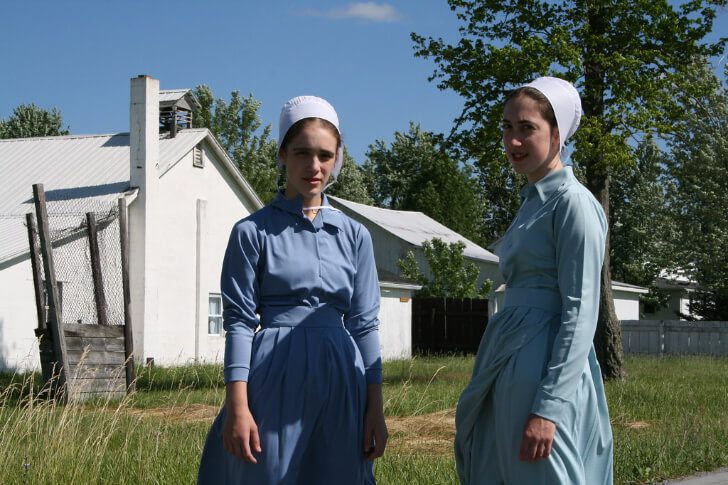
An Amish teen’s first paycheck typically doesn’t trigger the usual celebration vibe. No burger runs, new shoes, or “treat yourself” moments. Instead, the money goes home, folded into the family’s shared funds. It’s a milestone signaling they’re ready to help sustain the household. Here, earning is a family responsibility, not just personal progress.
In Amish culture, money isn’t for individual spotlight but group stability. While most teens rush to spend their earnings on weekend plans, Amish teens learn to think long-term. This contribution to the household teaches teamwork, discipline, and supporting those who support you. The core message is clear: family comes first, and work is significant when it benefits everyone.
The One Dinner Plate Rule That Ends Picky Eating Fast
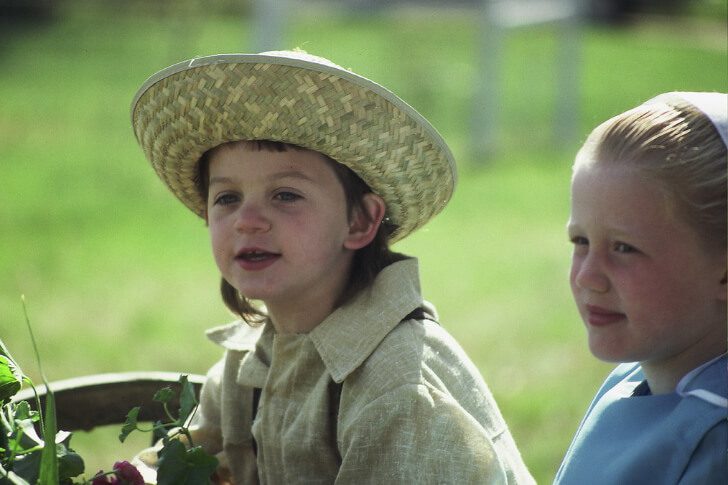
In this community, food waste is basically a foreign concept, and it’s not only because so much comes straight from the garden. The bigger reason is simple: kids don’t get to stage a nightly protest at the table. No “ew,” no “I’m not eating that,” and definitely no “can you make me something else?” What shows up on the plate is dinner, period. They learn that early, and it sticks.
It’s an old-school rule, but it works. Less food ends up in the trash, and kids get used to being grateful for what’s in front of them. Parents aren’t running a short-order kitchen or negotiating bites like it’s a peace treaty. The goal is straightforward: everyone eats, everyone sits together, and the meal stays calm. No drama, just dinner and conversation.
The One Amish “Hall Pass” That Changes Everything

Rumspringa offers Amish teens a brief break from traditional rules, allowing them to explore life outside their community. Between ages 14 and 18, they experience English life with access to jeans, cars, music, and smartphones. Though it feels liberating, it's more of a guided exploration, with limits set by their family and community.
This period aims to help them make informed life choices. Post-exploration, they can either return, be baptized, and embrace the Amish lifestyle, or they might find the outside world more appealing and leave permanently. Regardless of their decision, the focus is on making a genuine, personal choice rather than a compulsory one.
Why Amish Teens Skip the SAT, and What They Learn Instead
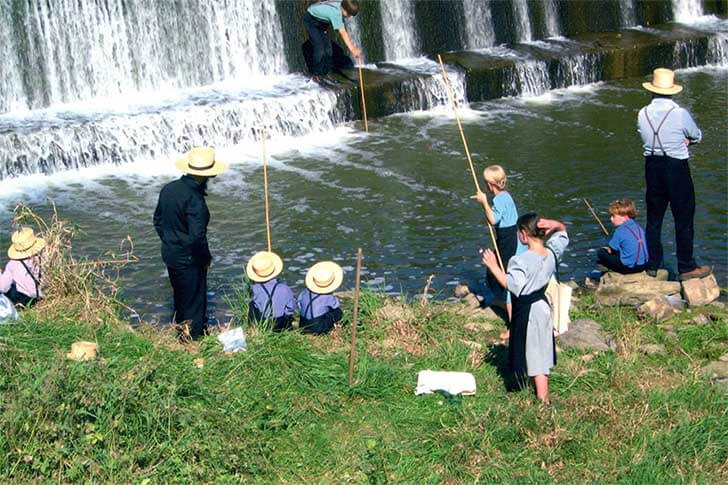
Forget college tours, SAT panic, and grinding through scholarship essays at midnight. For these teens, school is built around what actually matters day to day. After finishing 8th grade, they step out of the classroom into a life waiting for them, with no test scores to chase. Instead of memorizing formulas for a bubble sheet, they spend time learning hands-on skills that translate directly into adulthood, like carpentry and farming.
In many communities, boys are steered toward practical trades they can rely on long term, helping them provide and stay rooted. Girls often focus on homemaking, learning to manage a household. It’s work-first education where a diploma is optional, but being capable is the whole point. When prepared to earn, build, and contribute, the cap and gown start to feel like extra accessories.
The One Wedding Detail That Says Everything: A Simple Blue Dress
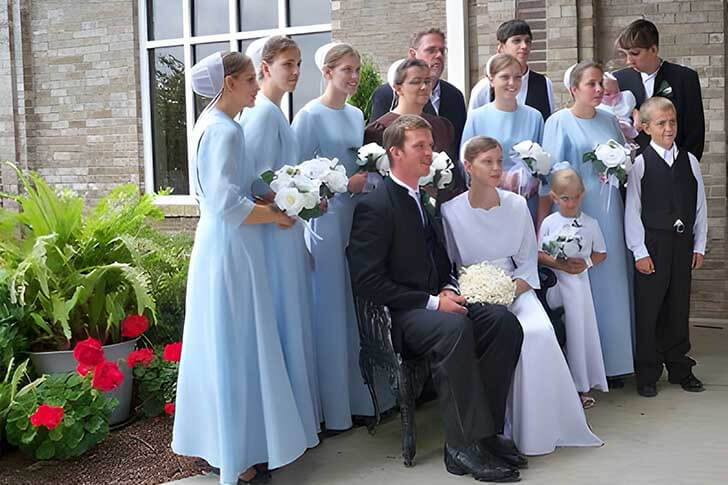
Amish weddings are basically the opposite of a sparkle-fest, and that’s the whole point. Instead of chasing bling, the day stays focused on what actually matters: faith, commitment, and the people who show up for you. Skip the dramatic white gown and the attention-grabbing jewelry. The bride wears a plain blue dress, and the best part is it isn’t a one-day costume. She can keep wearing it long after the vows, which feels refreshingly practical.
And the engagement ring? Not really a thing. In Amish tradition, flashy symbols can feel unnecessary, even showy. The result is a warm, meaningful celebration with zero distractions, just love and tradition doing the heavy lifting.
The One Honeymoon Detail That Totally Changes Everything
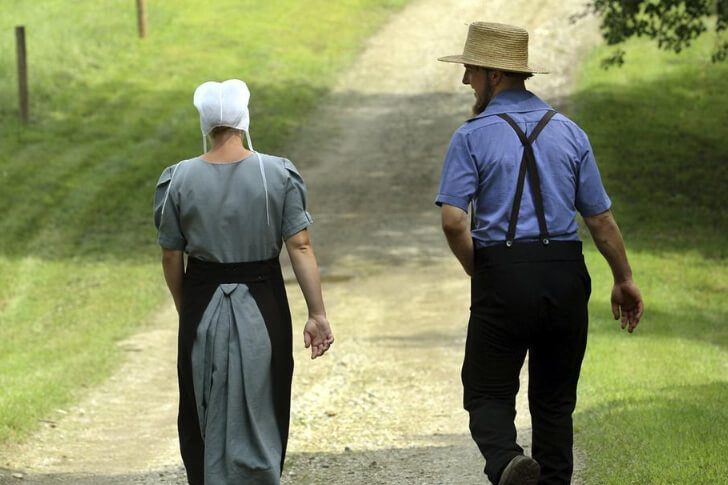
Forget the classic honeymoon fantasy of palm trees, room service, and disappearing for a week. Here, the first night looks more like a family gathering. After the wedding, the couple heads to the bride’s family home to spend the night. Alone time isn't the focus. They settle with relatives nearby, surrounded by those who supported their wedding. When morning comes, it’s not slow breakfasts and mimosas. It’s a new day with work to do.
After that first night, the newlyweds help clean the house, showing gratitude for the hospitality. It’s about starting married life by pitching in and staying connected. This tradition starts marriage with community, not isolation, emphasizing respect and shared values. It’s less about privacy and more about proving readiness to build a life rooted in family and responsibility.
The Surprising Secret Behind a Low-Cost Barn Raising

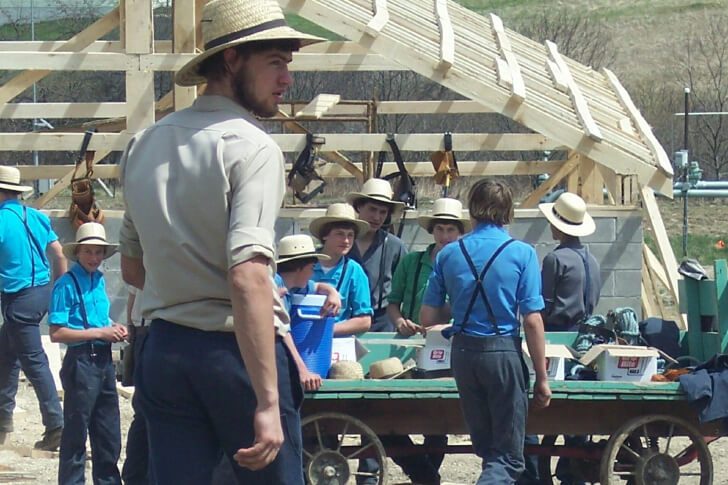
In Amish communities, putting up a barn isn’t a “call a contractor and brace your wallet” kind of deal. It’s the neighborhood’s favorite group project. People simply show up, often without a formal invitation, because that’s just how it works. Everyone brings something useful, whether it’s carpentry know-how, strong backs, ladders, tools, or can-do energy. The point isn’t who gets credit; it’s that the work gets done, together, in a way that keeps costs low and spirits high.
A barn raising becomes a true all-hands-on-deck day, with friends and neighbors working shoulder to shoulder. Many capable people pitch in at once, so the build moves quickly while the price remains manageable. Nobody is racing the clock just to say it’s finished; the focus is on steady, careful progress. By the end, the whole community shares the quiet pride of seeing something big stand tall because everyone showed up.
The Amish “Wellness Kit” Hiding in Plain Sight
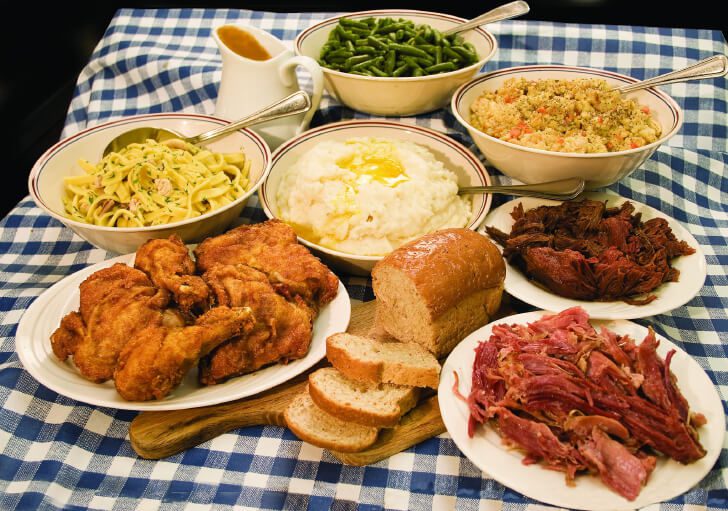
Curious how the Amish stay healthy without draining their bank accounts? Their “secret” is almost boring, in the best way. They stick to a simple routine that doesn’t need trendy meal plans or pricey gym contracts. A lot of what they eat comes straight from the garden or local farms, so it’s heavy on fresh, organic produce and light on processed stuff. When your food is real and your days are active, you don’t need much else to feel good.
They also skip the usual vices. You’re not likely to see cigarettes or casual drinking as part of the lifestyle, and that alone can move the needle on long-term health. Research links Amish communities with lower cancer rates and low obesity levels, striking in a world full of convenience food. It’s not just about adding years, either. Their approach makes those years feel steadier and healthier. Turns out “keep it simple” is more than a slogan, it’s a strategy.
The One Sunday Dish That Makes Amish Dinners Work
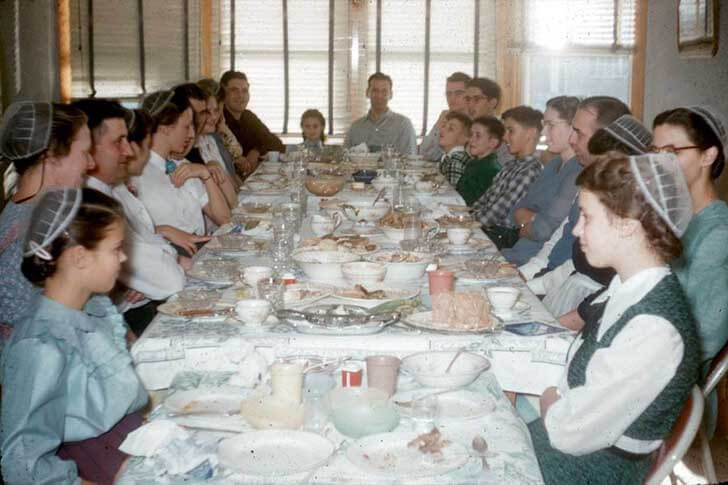
Forget the panic of cooking for a small army. Amish Sunday dinners lean hard into community. Families show up with friends, relatives, and fellow church members for a potluck-style meal where everybody brings something to share. That means the host isn’t stuck buying mountains of groceries or spending the whole day chained to the stove. Instead, the work, the cost, and the fun get spread around, making the table bigger, brighter, and more interesting than any one kitchen could pull off alone.
The lineup usually looks like a greatest-hits album of home cooking: garden vegetables, fresh-baked breads, and comfort-food classics made the same way for generations. It’s tradition you can actually taste. The vibe stays relaxed because no one person has to carry the whole meal, and everyone gets to feel useful. Best part, there’s always plenty to eat, and yes, there’s almost always enough pie for seconds.
The One Cleaning Tool That Turns Chores Into Family Time
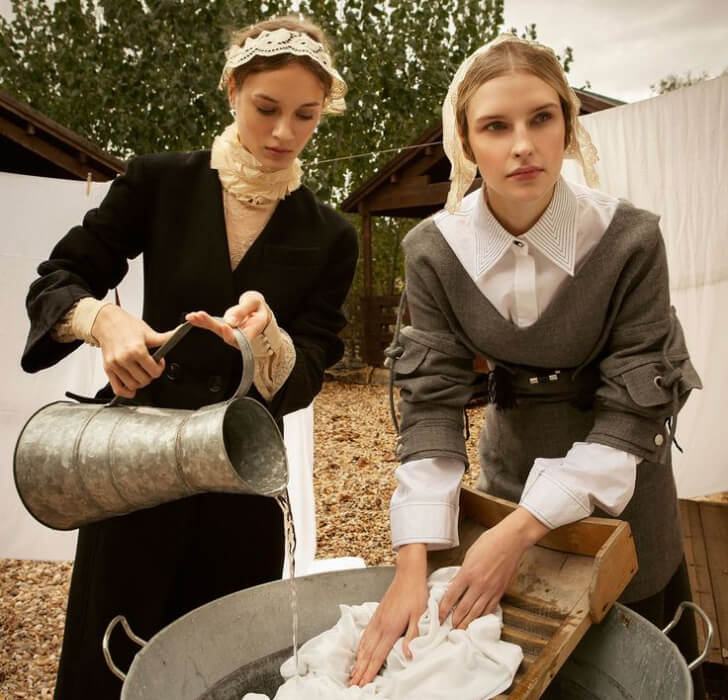
Step into an Amish home and you’ll quickly see that cleaning is not some lonely, one-person grind. It’s a family project, with everyone participating instead of hiring help. Little kids get simple jobs, older kids take on more, and adults keep things moving. The focus isn't just on swept floors or wiped shelves, but on making upkeep a shared experience. When everyone treats it as normal, the work feels lighter, and the house resets faster.
Because the crew tackles it together, the benefits are huge. You save time, save money, and get a cozy sense of teamwork. It’s built-in bonding, with brooms and buckets. Chores stop feeling like punishment and start feeling like a group effort where everyone matters. Plus, nothing makes a laundry pile less intimidating than knowing you’re not facing it alone.
What Amish Families Do When a Surprise Bill Shows Up, and It’s Not a Credit Card
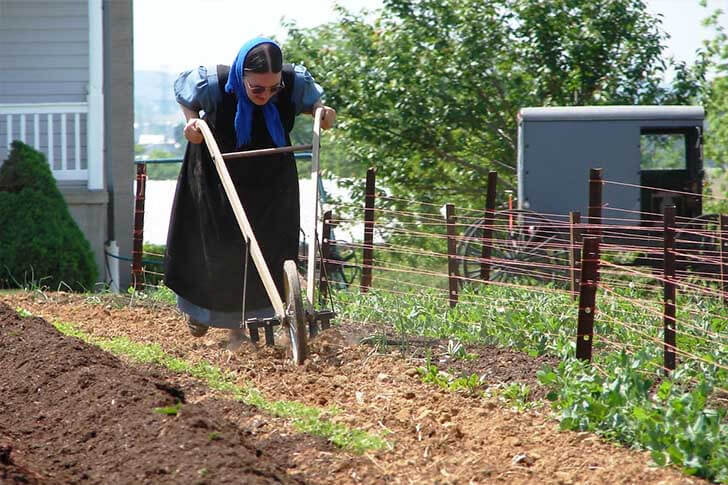
When an unexpected expense lands in their lap, Amish families do not swipe a card or juggle interest rates. They handle it the old-school way: by working through it. This might mean pitching in on a farm, taking extra hours at a shop, or turning a skill into quick, honest income. If building, fixing, hauling, or harvesting needs doing, they show up, get it done, and get paid. It’s practical and surprisingly effective when money gets tight.
They stay independent without getting tangled in debt. Instead of leaning on loans, they rely on effort, planning, and community help. No second mortgage, no panic, just a clear problem and a solution. It’s not flashy, but it keeps life simple and costs predictable. There’s something refreshing about a money strategy that boils down to: do the work, ask around, and keep moving forward.
The One Rule That Makes Amish Dating Totally Different

People love to assume Amish marriages are pre-booked by families or church leaders. Not true. Amish couples choose each other, like everyone else, by spending time together and seeing if the connection holds up. There’s plenty of courting, conversation, and romance, just without dating apps or social media. It’s old-school, in-person, and intentional.
The dating vibe is surprisingly normal, with face-to-face time and genuine moments. But one big rule changes everything: to marry, both must be church members. Turning 18 matters a lot. It’s when young adults decide on baptism, shaping who they can spend the future with.
The Surprising Reason Amish Folks Call You “English”

In Amish communities, there’s a simple catchall word for basically everyone who isn’t Amish: “English.” And no, it’s not a comment on your accent, your passport, or whether you’ve ever even seen a crumpet. It’s just their everyday label for outsiders, period. So whether you rolled in from France, Brazil, Zimbabwe, or the next county over, if you’re not part of the Amish world, you land in the “English” category. It’s less about nationality and more about drawing a clear line between community life and everyone else’s.
That nickname has history. Initially, the outsiders they dealt with were mainly English-speaking settlers, so “English” became shorthand. Over time, it turned into a practical, no-drama way to describe anyone beyond their circle. So if you’re visiting and someone calls you “English,” don’t take it personally. They’re simply saying, “You’re not Amish,” in the most familiar way they know.