
The One Rooftop Photo That Makes Moscow Look Like a Toy City
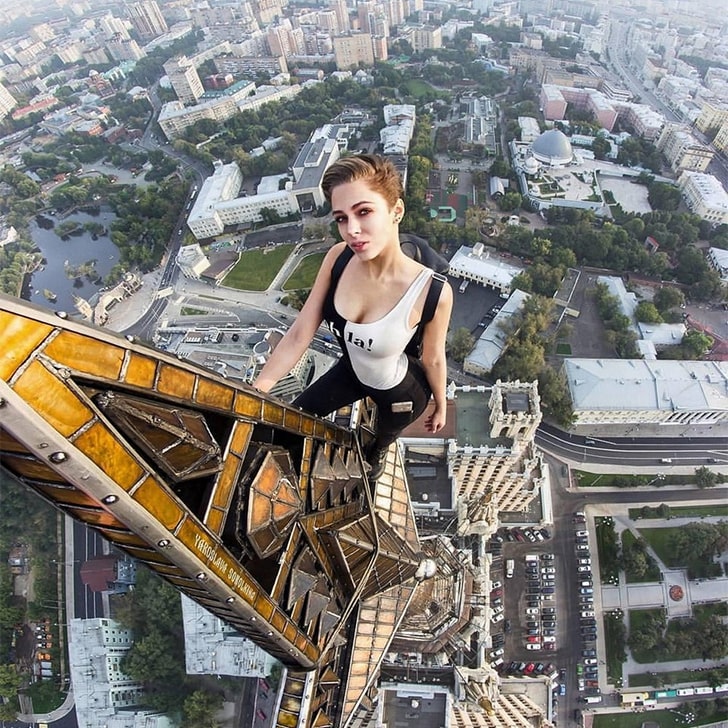
In a clean, monochrome look, Alexey Kuzin shows off the heart-stopping craft of rooftopping in a photo that gives you wobbly knees. She’s perched above Moscow, with the city stretched out like a map beneath her. Down on the streets, everything feels oddly calm, no honking chaos, no rush. The neatly lined cars and empty lanes hint at that in-between time, either dawn’s first quiet minutes or evening’s last hush when a huge city holds its breath.
This obsession among urban thrill-seekers is about climbing tall buildings and freezing that split second when the world drops away. Rooftopping takes balance, strength, and a belief that your hands and feet will do exactly what you ask. For those who chase it, skylines become a playground. The payoff is hypnotic shots that make familiar places look brand new and make city life feel a little more unreal.
The One Photo That Shows How Far He Was Willing to Go
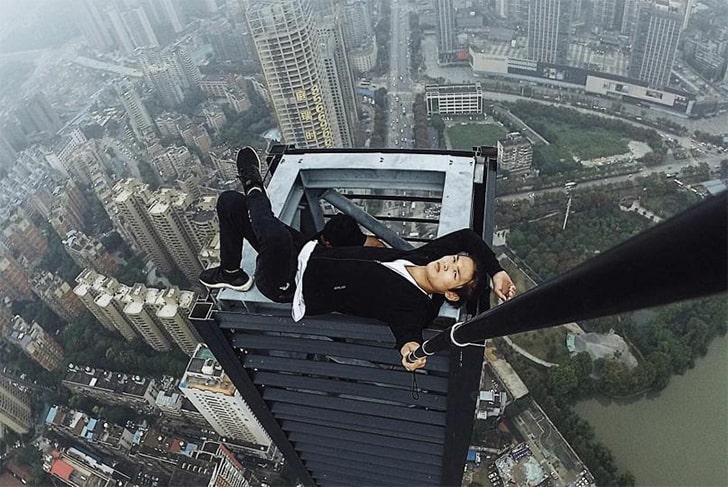
Wu Yongning built a reputation as one of China’s most fearless rooftoppers, the kind of guy who treated skyscrapers like a personal playground. In this shot, he’s stretched out on a high-rise in Changsha, looking weirdly calm for someone perched in a spot that would make most people’s knees turn to jelly. His photos didn’t just show the view, they made sure you noticed the empty air underneath, that brutal drop waiting below, and the razor-thin line between a rush and a mistake.
Sadly, that line eventually snapped. Wu died after falling from a 62-story building while attempting another stunt. Rooftopping can deliver insane views and instant social media attention, but the danger is real. Surfaces can be unpredictable, safety is often nonexistent, and even if you survive the climb, there can be serious legal consequences.
Why That White Tower Beam Has Everyone Looking Up
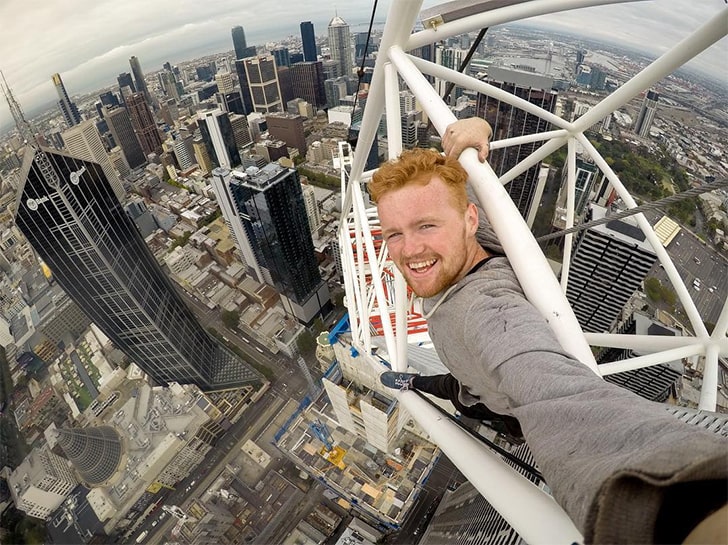
Law flashes that familiar grin from the bare-bones heights of a massive structure, the kind of shot that has basically become his signature. Known for chasing adrenaline, exploring places most people never get close to, he transforms scary climbs into must-watch moments. The footage usually ends up online, where viewers watch with wide eyes, equal parts impressed and nervous, as he makes the skyline look like a playground.
The towers he tackles are built to stretch into the clouds, with clean lines, concrete bases, and steel that means business. In this photo, he is hanging onto a bright white beam with one hand while the other grips a camera, ensuring the whole climb is captured. It's a simple image with a big message: people cannot resist a heart-racing story, especially when it unfolds way above the ground.
The One Photo Spot Near Sri Lanka’s Nine Arch Bridge You Really Shouldn’t Copy
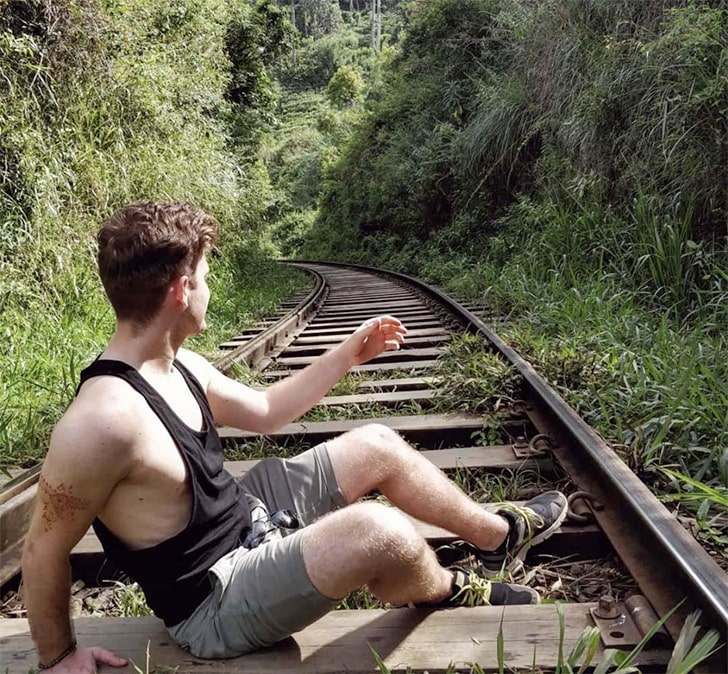
An Instagram creator decided the train tracks by Sri Lanka’s famous Nine Arch Bridge would make the perfect “set” for a high-drama shot. The location is stunning, with a classic piece of engineering tucked into thick, bright-green hills and that postcard view begging for a camera. It’s a place where every angle looks cinematic, drawing in travelers, photographers, and anyone chasing a scroll-stopping moment.
In the photo, he’s lounging on the rough rails like a park bench, which is what makes it unsettling. These are working tracks, not a backdrop, and trains do not send polite warnings before they show up. There’s barely any margin for mistakes, and the risk is real even if the pose looks calm. The urge to grab a unique image can scramble judgment, turning a beautiful scene into a reckless flex.
The One Suit You’d Want Before Staring Down Ambrym’s Lava
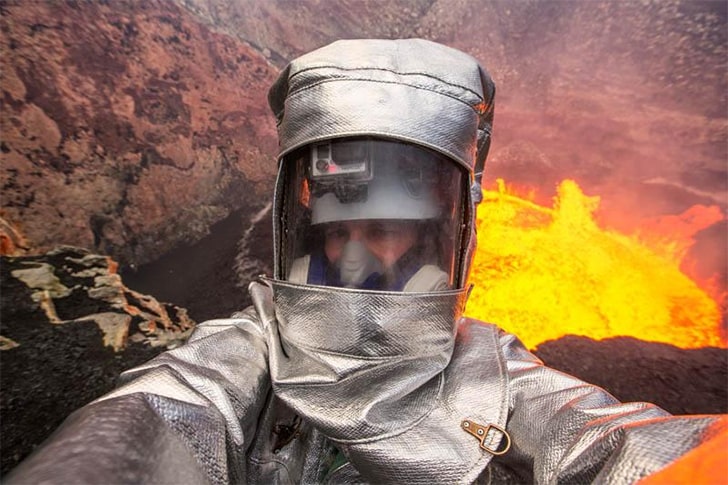
Dressed in what looks like a suit borrowed from a space program, Kourounis comes off like a real-life mix of daredevil and scientist as he edges up to the blazing core of Vanuatu’s Ambrym volcano. The outfit is not for show, it’s built from heat-tough materials like Kevlar and Nomex, which matters when the air nearby can push roughly 2,000 degrees Fahrenheit.
Ambrym is famous for its huge, churning lava lakes, a rare, almost hypnotic sight you don’t get at most volcanoes. The gear helps block brutal radiant heat and shrug off the occasional spit of volcanic spray. Because the place is so active and risky, getting in typically means permits and experienced guides.
This Selfie on a Cliff Edge Has One Detail You Can’t Unsee
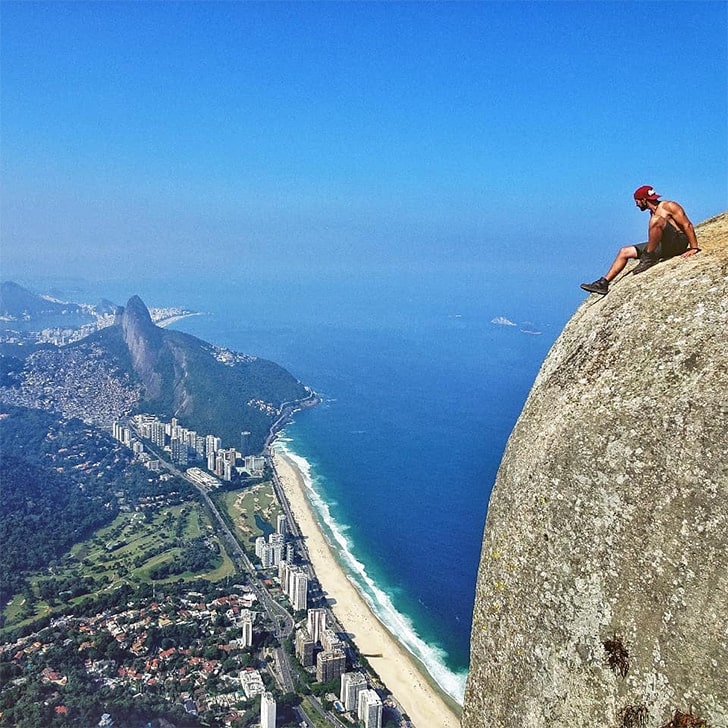
Another day, another hiker doing something that makes your palms sweat. He’s perched on the hulking crown of Pedra da Gávea with his legs hanging over open air, Rio de Janeiro spread out behind him, and the Atlantic stretching off like it never ends. In shorts and a snapback, he looks almost casual, like he just wandered up for the view. But against all that rock and sky, he’s basically a dot, making the moment feel even wilder. Tiny human, massive cliff, big “don’t drop your phone” energy.
Pedra da Gávea isn’t famous only because it’s high; it’s also known for its eerie face-like shape carved into its side. Some people swear it’s just nature; others love the ancient hands theory. Either way, the spot is no joke. At about 2,769 feet above sea level, he’s in a front-row seat to the whole coastline, the city, and a horizon most people only see in photos. It’s a breathtaking view and a seriously bold place to take a break.
The Cliffside Seat That Reveals Brazil’s Best-Kept Beach Secret
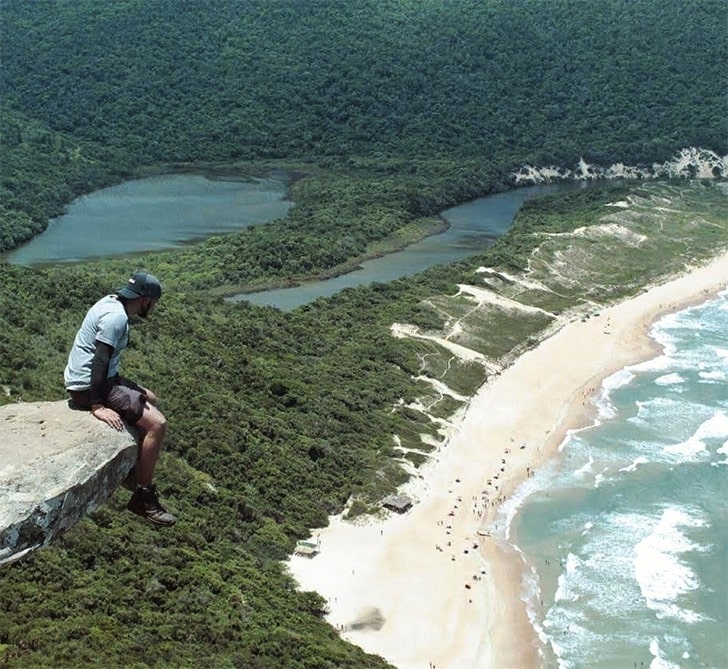
Right on the lip of a cliff, this guy plants himself like he’s found the best seat in the house, legs swinging over the sands of a pristine Brazilian beach. From up there, the shoreline looks unreal, all clean sand and bright water, with tiny specks of people moving below. The view is pure bird’s eye, the kind that makes you forget your phone exists, because the scene already feels like a postcard. Down on the beach, everyone’s doing their own thing in the sun, but from this height, they’re basically little dots, busy and happy.
This beach sits in Florianópolis, an island famous for having 42 beaches, each with its own vibe. This one stays special because it’s not the “roll up and park” kind of place. You get there by hiking a trail or arriving by boat, which keeps the crowds in check and the atmosphere wild and peaceful. Florianópolis nails that rare balance, with rugged, untouched stretches alongside more tourist-friendly spots, like a snapshot of Brazil’s varied coastline.
This Selfie Stick Captured a View Most People Never See
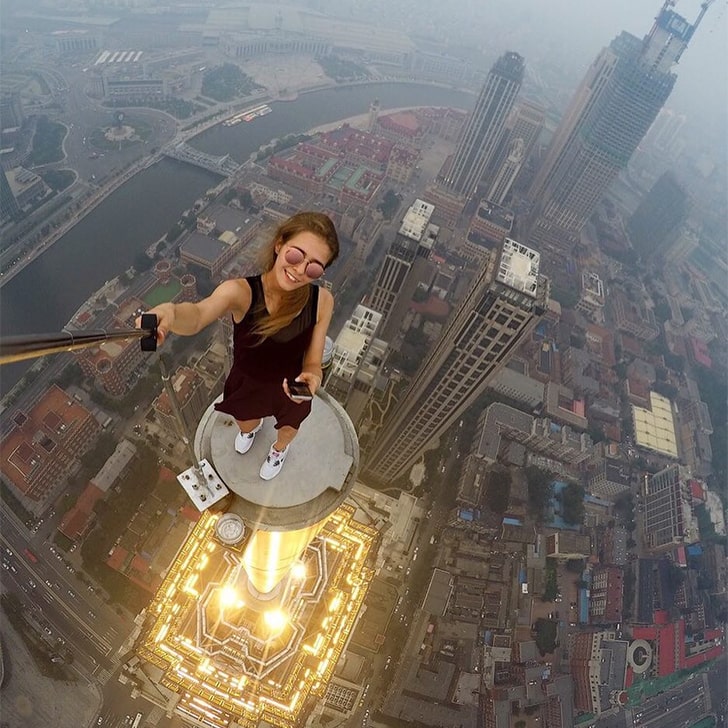
Angela Nikolau doesn’t just flirt with danger, she schedules dates with it, then climbs skyscrapers. Famous for scaling tall buildings without a harness, her stomach-dropping stunts look weirdly calm. Wearing maroon, she leans into open air, a selfie stick framing the city below. Only an urban climber could love such a trophy photo, equal parts fearless and stylish.
Skyscraper climbing, or rooftopping, is a risky subculture fueled by adrenaline. The payoff: views you can’t buy and photos stopping you mid-scroll. The downside: it’s dangerous, often illegal, and one mistake can change everything. Her climbs are jaw-dropping but attempting them without gear and permission is a terrible idea.
This Bright-Red Platform Reveals a Side of Yekaterinburg You’d Never Guess
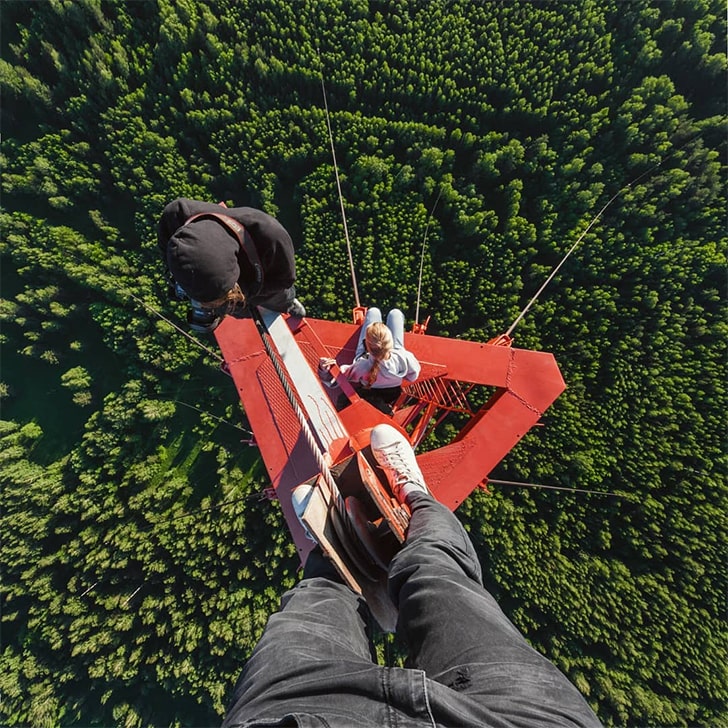
Perched up high on a punchy red platform, a small group takes in Yekaterinburg’s thick blanket of green. The city, near the Ural Mountains, blends forests with urban sprawl. From this angle, it's remarkable how the view flips from steel and concrete to wilderness. Those wooded pockets aren’t just pretty; they’re like built-in breathing rooms inside the city.
Yekaterinburg isn’t just a scenic spot; it’s a major industrial hub coexisting with nature. That balance takes effort, paying off for residents. On the platform, the adrenaline is thrilling, but the realization that the green isn't an afterthought is the bigger moment. It holds its ground, even here.
Why Would Anyone Take a Selfie This Close to Lava?
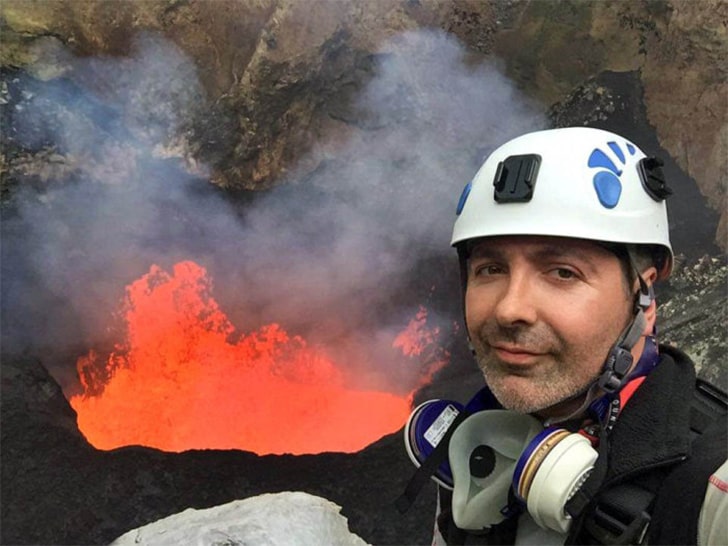
Equal parts brave and wildly curious, this guy stands just feet from the glowing molten rock, taking a selfie like it is no big deal. Up close, lava showcases nature at its most intense, and you can feel that heat through the photo. The helmet is not for style, and the respirator at his neck is essential. When near a volcano, you suit up and hope your adventure does not surpass common sense.
Volcano scientists often get uncomfortably close to lava for samples and measurements, helping understand underground activity and future eruptions. The danger includes toxic gases like sulfur dioxide, which can irritate eyes and skin, cause coughing, and be life-threatening. It's not just the heat but the air quality posing the real risks.
How Did a Jet Pilot Snap a Selfie With a Live Missile?
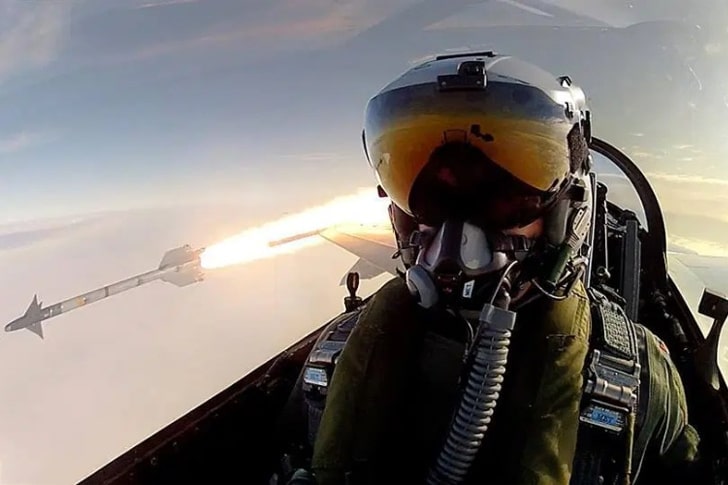
Somewhere up in the blue, a pilot managed a rare feat: a cockpit selfie with a missile tearing through the air nearby. The weapon is mid-flight, complete with a fiery plume screaming speed. This seems more like a moment from a controlled training run than a random joyride. Missiles are built to sprint, lighter than jets and designed to accelerate fast, leaving aircraft behind.
Jets aren't sitting ducks, though. They deploy countermeasures like flares and chaff, which create fake heat targets or confuse radar. This image is wild, showing how close-to-the-edge training can feel. In that world, survival hinges on swift decisions, sharp tactics, and staying ahead of whatever chases you through the sky.
Why Would Anyone Climb a Skyscraper in Mittens?
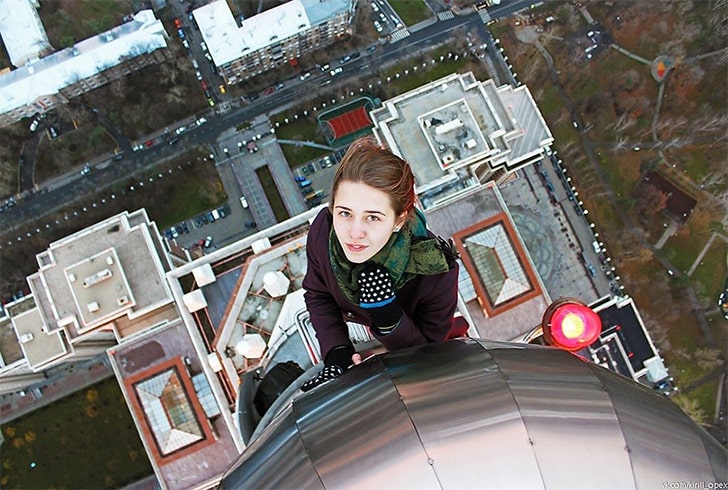
Way up above the streets, this fearless climber is inching along a tower with one surprising detail: mittens. Not snug climbing gloves, but cozy hand-warmers you'd use to clear ice off a windshield. It's the kind of choice that makes your palms sweat just watching. Mittens are great for warmth and terrible for control.
Smooth buildings provide minimal grip, making specialized equipment essential. Yet, she is up there gripping the structure one-handed, seemingly testing gravity. No expert would call this a smart setup, but she appears calm, steady, and completely unfazed.
Why Would Anyone Stand on That Rusty Beam Up There?
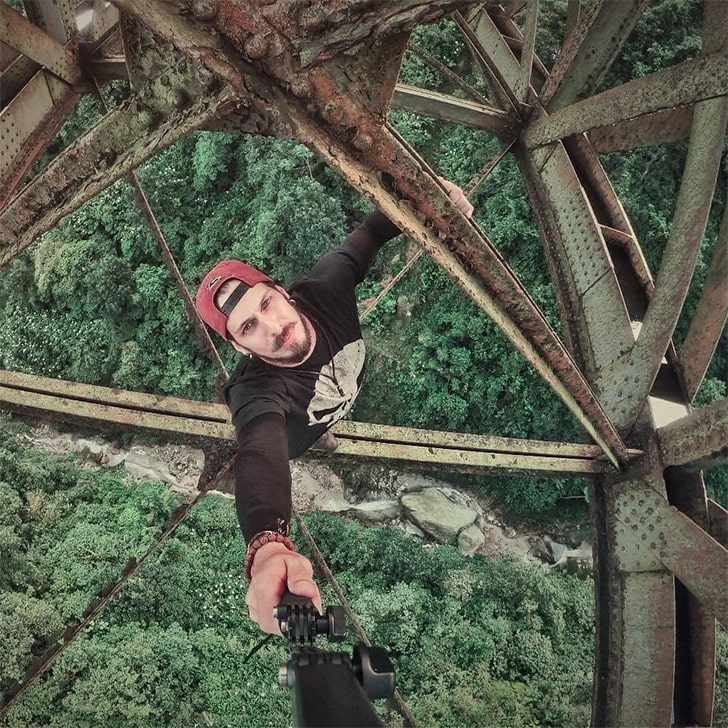
In full daredevil mode, the actor balances on a rusted beam high on a massive structure, one hand busy documenting the moment like it is just another casual photo stop. Corroded metal can look solid until it is not, and each gust or shift becomes a quiet bet against age. Dressed for comfort in a black shirt and snapback, his relaxed stance does a lot of acting. The danger is real, even if he makes it look easy.
Far below, trees shrink into dots, like spilled green confetti across the mountainside. From this height, the forest becomes a soft-looking blanket, though the ground is anything but. It's wild to think about greenery thriving, clinging to thin air and rough soil. Nature does not care about steep slopes or conditions; it just keeps showing up. Meanwhile, one guy on a rusty beam is trying to prove his own point, with a camera in hand and a whole lot of nerve.
What’s Really Up There on Shanghai’s Tallest Rooftops?
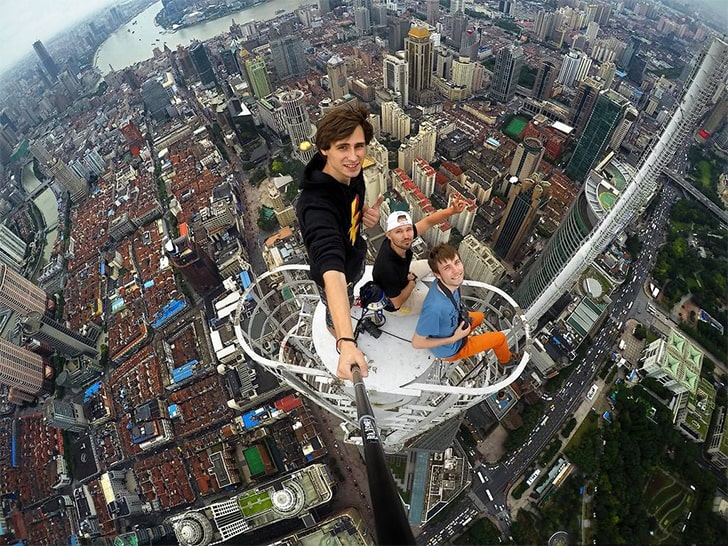
Alexander and his friends have a habit that’s both bold and baffling, scaling dizzying heights in Shanghai for breathtaking rooftop moments. The city’s skyline, all glass and steel, seems made for this. From up high, it feels quieter, the streets like toy tracks, and the view a postcard from the future.
Since the 1990s, Shanghai’s silhouette has evolved rapidly, mixing modern engineering with nods to Chinese tradition. The skyline reflects a city in economic boom, pushing into a new era. For Alexander, the climb isn’t just about views; it’s a step-by-step journey through Shanghai’s architectural evolution.
The Selfie Stick That Followed Him Into Deep Dive Dubai
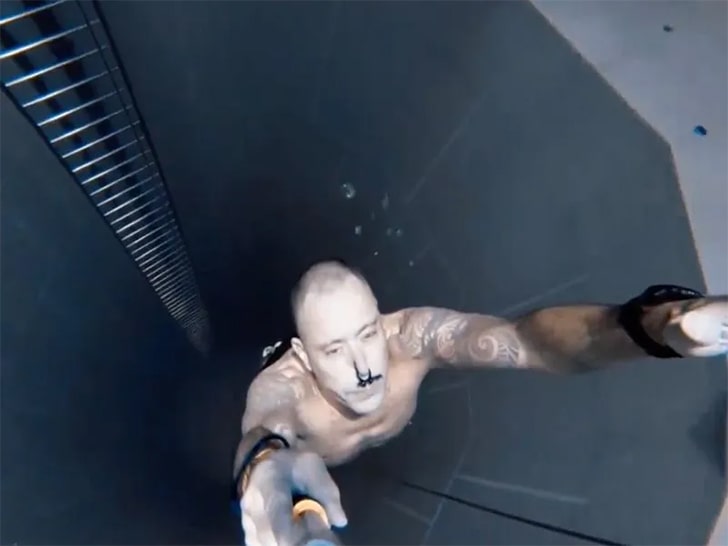
Here’s the scene: a fearless, tattooed diver drops into the world’s deepest man-made pool like it’s a casual afternoon plan. This is not your neighborhood lap lane. Deep Dive Dubai, famous for its jaw-dropping 196-foot depth, sees him heading straight down with a selfie stick, filming the ride into that blue, echoing void. It’s part stunt, part sightseeing, and all adrenaline—the kind that makes you feel the pressure even through a screen.
Elite free divers have gone past 700 feet, wild proof of the human body’s potential with training, discipline, and calm under pressure. Going deep is not just bravado; it takes technique, nerve, and awareness of the danger. The trick is pushing limits without underestimating the water, because it isn’t harmless, and it never forgets who’s in charge.
What Those Two Dots on a Construction Crane Are Really Doing Up There
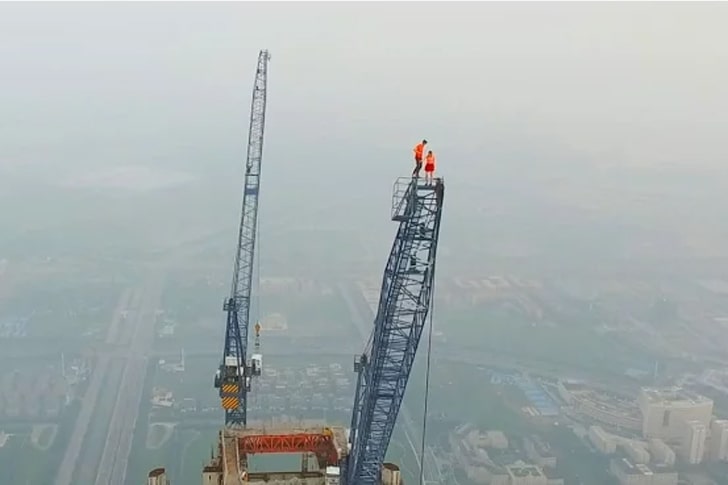
Two tiny figures are perched on top of a massive construction crane, the kind that helps raise skyscrapers shaping modern city skylines. Streets, buildings, and traffic below have vanished under a thick blanket of fog, resembling a temperature inversion where trapped haze and mist hide the city. From their sky-high spot, they stand in clear air while the city disappears into a ghostly soup.
Crane climbing is for those wired for adrenaline. For these urban explorers, the aim is simple: climb hundreds of feet, feel your stomach drop, and enjoy a unique view. It is a stunt where one mistake can become serious quickly. The height, wind, metal, and lack of protection are unforgiving. Whatever the thrill, the danger is real, making safety essential.
This Selfie Looks Like He’s Standing on Christ the Redeemer, Here’s the Trick
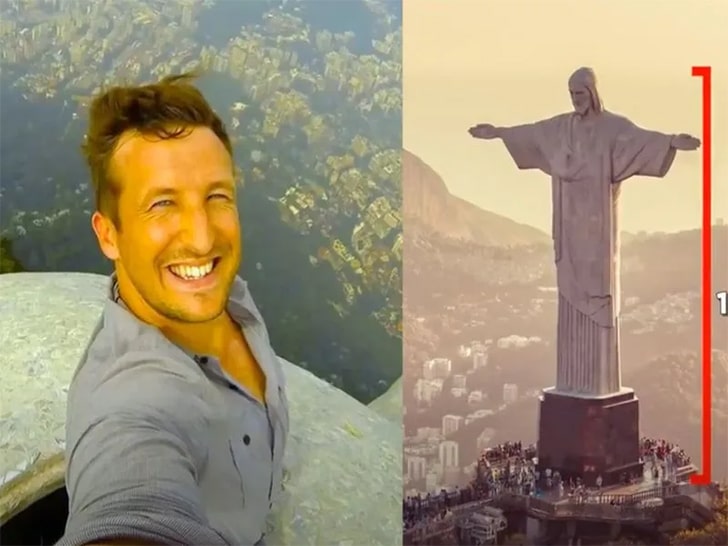
At first glance, his big, proud grin makes it look like he’s living out a bucket list moment, perched on Christ the Redeemer. However, he’s not actually up there. The statue is about 98 feet tall, on a 26-foot pedestal, and it’s one of the New Seven Wonders of the World. Located on Corcovado Mountain, roughly 2,300 feet above Rio de Janeiro, it oversees the city like a postcard come to life.
For the record, climbing the statue is off-limits for safety reasons and respect. This is a classic perspective prank: the right angle, distance, and timing. He looks close enough to sell the illusion but is not standing on the monument. That’s the fun; your eyes swear it’s real, even when your brain knows better.
Why That Crane Arm Became Angelina’s Runway
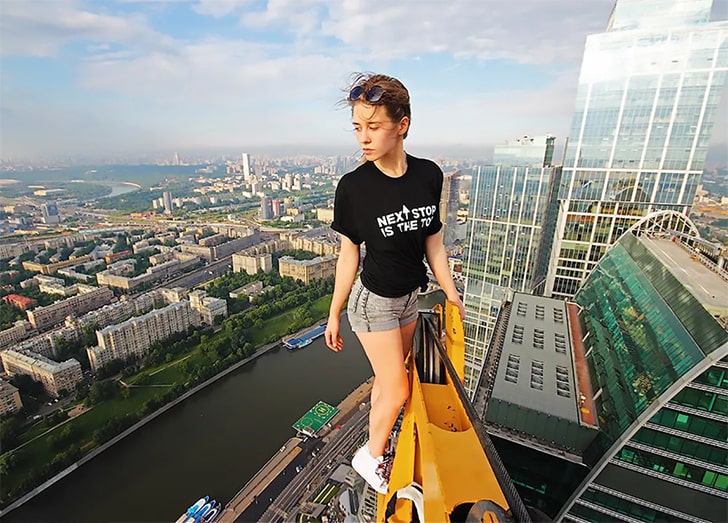
Angela Nikolau makes gravity look optional, standing confidently on a crane’s arm high above a glass-and-steel giant. Behind her, the city spreads, showing how skyline, streets, and nature pieces together. Her shirt’s message is clear: she only wants to go up, and she means it literally.
With one hand on the crane, she peers over the urban sprawl like it’s no big deal, her quiet focus contrasting the drop below. This exploration style attracts thrill-chasers to the world's tallest structures, finding beauty and stillness where most sense danger. Up there, rooftops become stages for showcasing human nerve and control.
Why Are People Scaling Construction Cranes for the Perfect Shot?
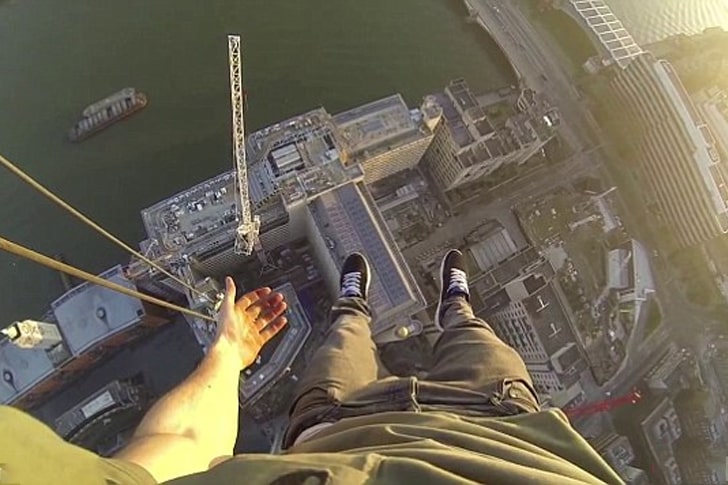
Crane climbing sits inside the bigger world of urban exploration, where people sneak onto man-made giants, usually without permission, just to chase that clean hit of adrenaline. This gut-tightening photo shows the view from way above the streets, perched on a crane that turns the whole city into a toy set. You see the climber’s legs dangling out and a laid-back left arm hanging in frame, which makes it look like they’re floating in midair between beams of steel.
It’s the kind of angle most of us only get in video games, equal parts peaceful and terrifying, like standing on the edge of the sky. Risky, sure, but it’s not always pure chaos. A lot of these climbers plan the shot carefully, using a camera on a timer or a remote trigger so they can stay steady and capture the moment without fumbling around up there.
Why Someone Climbed a Massive Soviet-Era Radar at Sunset
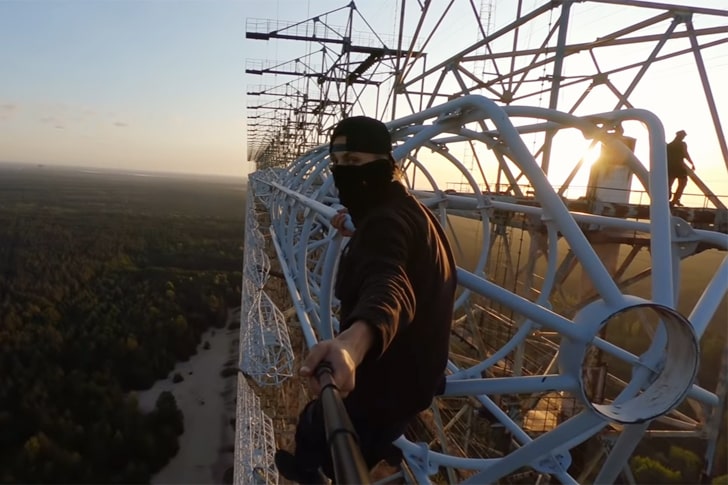
This adrenaline chaser decided the best place to watch the day end was halfway up a gigantic radar tower, the sort of hulking metal relic the Soviet Union scattered across its military landscape. Built during the Cold War, these structures swept skies for signs of ballistic missile launches, serving as the early-warning eyes of a superpower never wanting to be caught off guard.
Today, the tech is outdated and the mission long gone, but the structures still stand, like eerie monuments. With newer systems replacing them, these radars now feel more like industrial fossils. At sunset, when everything turns warm and gold, the scene flips from intimidating to beautiful. Up there, the explorer isn’t just chasing a view; they’re grabbing a snapshot of history, framed by open air and nature's vastness.
Why That Weird Mist Shows Up on a Plane
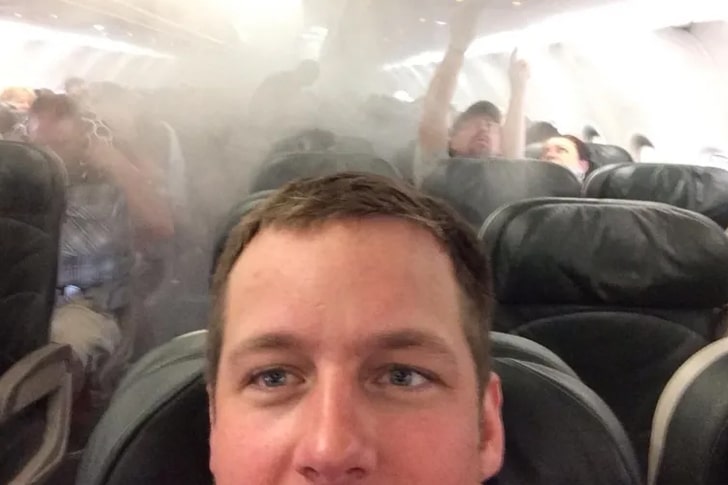
You’re wedged into your seat, the cabin is packed, and then, out of nowhere, a pale mist drifts through the air like the plane just rolled into a spooky movie set. Some look around for help, while one passenger decides it’s filming time. It looks dramatic, but it’s not danger, nor a sci-fi plot twist. It’s just a normal bit of physics at 30,000 feet.
At cruising altitude, the cabin air is pressurized and comfortable, often carrying moisture. Sometimes that humid air hits colder air from the air-conditioning vents, and the water vapor condenses into tiny droplets. That’s the "fog" you see, like your breath on a cold morning. It might look eerie, but it’s harmless and usually fades quickly as temperatures even out.
Why Three Climbers Chose a Hong Kong Skyscraper Antenna
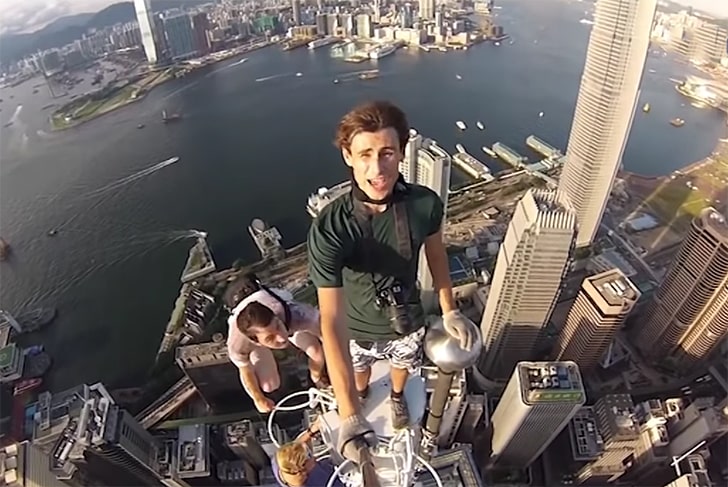
Three thrill-chasers turned urban exploring into a vertigo test, scaling the antenna of a 1,135-foot skyscraper in Hong Kong. Known for its skyward architecture due to limited land, the city from such heights transforms into a dazzling grid. Atop the structure, they're on the cutting edge of modern architecture.
This isn’t for those who prefer solid ground. The trio relies on expertise and climbing gear, with safety as their priority. Despite that, any mistake can have dire consequences. The appeal lies in the exhilarating challenge and unique perspective of viewing a city from a place few will ever reach.
The One Selfie Spot That Might Make You Sweat, Mount Yasur
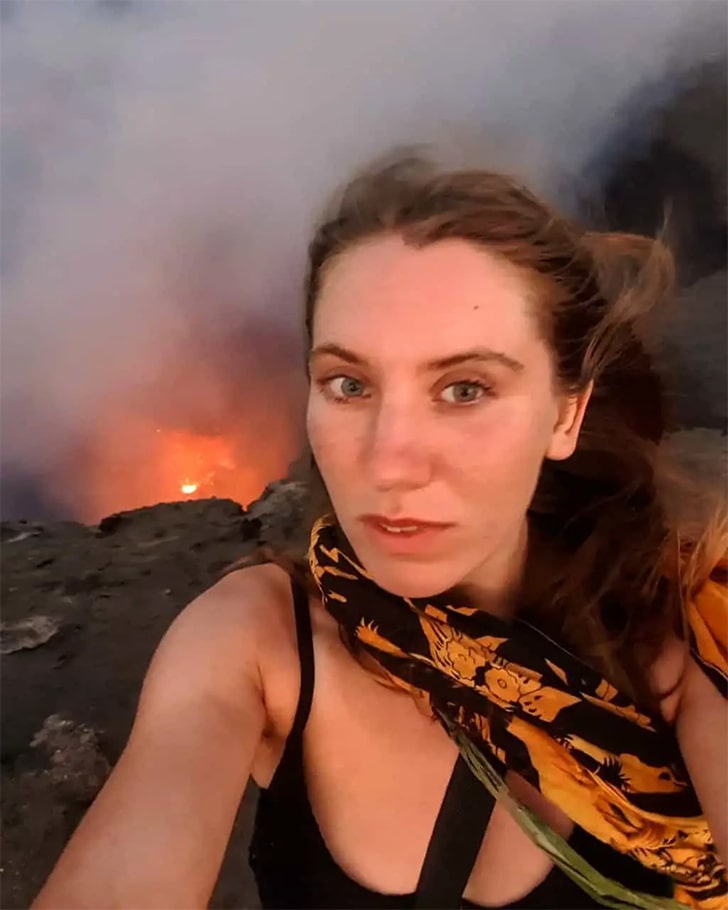
Marlene Zorah’s face pretty much tells the whole story. She’s mid-snap, calling it her toughest selfie yet, with Mount Yasur rumbling and spitting behind her on Tanna Island in Vanuatu. This corner of the South Pacific is nature showing off, with rainforests, blue water, and volcanoes as backdrops. When the mountain starts churning, it’s loud, glowing, and impossible to ignore, even through a phone screen.
What makes Yasur wild is how easy it is to get close to a live volcano. It’s one of the most accessible on Earth, putting on a reliable show for more than 800 years. The eruptions aren’t random; it sits above a hot spot where heat and molten rock from the mantle push up. This steady supply keeps the activity going, thrilling to watch and a bit intimidating in person.
What’s Really Up There on a 2,000-Foot Broadcast Tower?
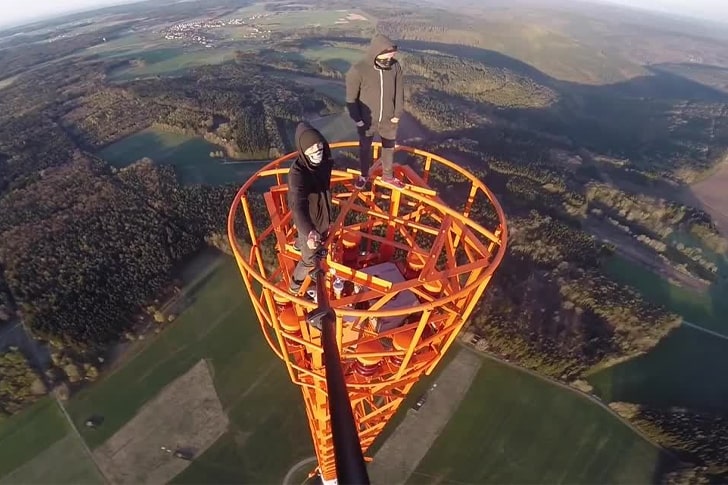
Two thrill-seekers climbed onto a KDLT-TV tower, standing roughly 2,000 feet above the ground. From that altitude, the landscape resembles a giant map. Farmland forms neat blocks, forests spill across the horizon, and lakes gleam like scattered coins. The view makes everything below seem quiet, small, and strangely calm.
Broadcast towers are serious engineering feats, built to transmit TV signals over vast distances. Taller than skyscrapers and often isolated, for this pair, the structure isn’t just a utility pole but a front-row seat to vistas few people see. In thinner air and wide-open sky, they discover a peace found only with endless horizons.
He Pulled Out His Phone, the Plane Was Sinking Behind Him
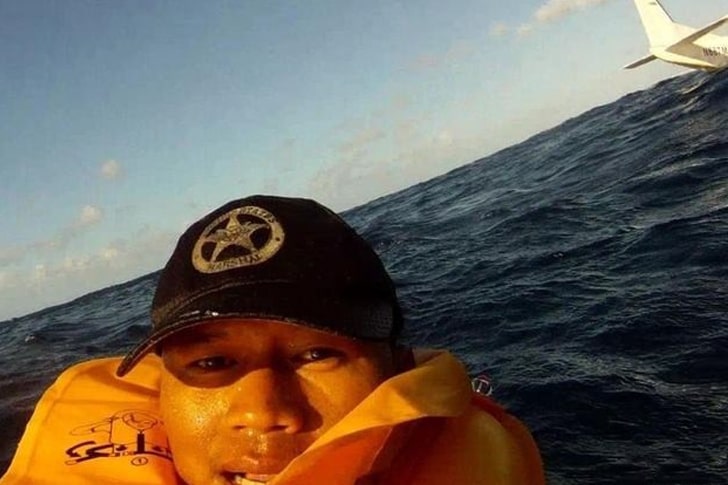
Ferdinand Puentes found himself in a scene straight out of a disaster film when his plane hit the water. Instead of panicking, he did something unexpected: took a selfie. Donning a life vest and a United States Marshal cap, with the aircraft’s tail slipping into the water behind him, the image is surreal and chilling. It's a calm face amidst chaos, demonstrating how quickly a routine flight can become a battle to survive.
Plane crashes often stem from mechanical failures, weather issues, or human error. While we usually hear about them through media reports, this story came directly from Puentes. His selfie not only documents his survival but also captures the eerie moments post-impact—when one realizes their own survival as the plane sinks. It’s a vivid reminder of aviation’s unpredictability and how real life can become intense in seconds.
Why Someone Climbed That Lonely Silo at Sunset
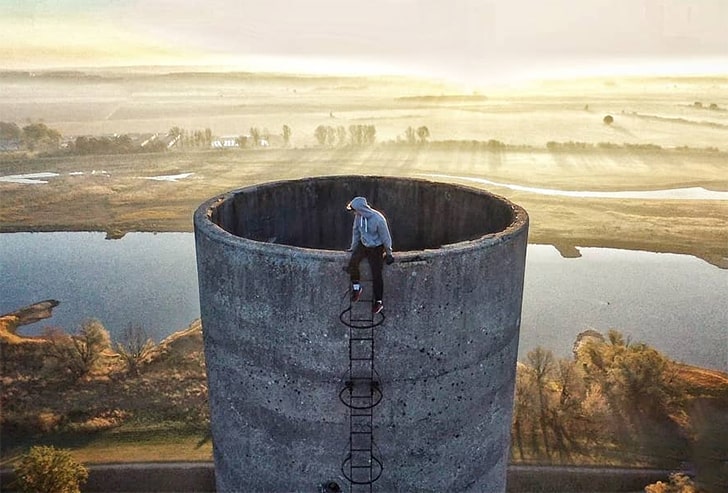
As the day winds down and the light turns soft, one lone individual decides the best seat in the house is the top of a bare, no-nonsense silo. In a gray hoodie, he perches up there like it’s his personal lookout, taking in the wide-open stretch where the sun finally taps out and slips behind the horizon. Below, fields roll out like a quilt, a river snakes through the landscape, and the sky puts on that loud, colorful sunset show that makes everything feel bigger.
This moment isn't just about someone sitting on a tall structure; it's about that split-second collision between everyday life and nature's scale. Silos, after all, are workhorse buildings, built for storing bulk materials. They’re tall, stubborn landmarks that can hang around for decades, sometimes outlasting the farms they served, quietly watching seasons come and go.
The One Shirt That Turned Pedra da Gávea Into a Cliffhanger
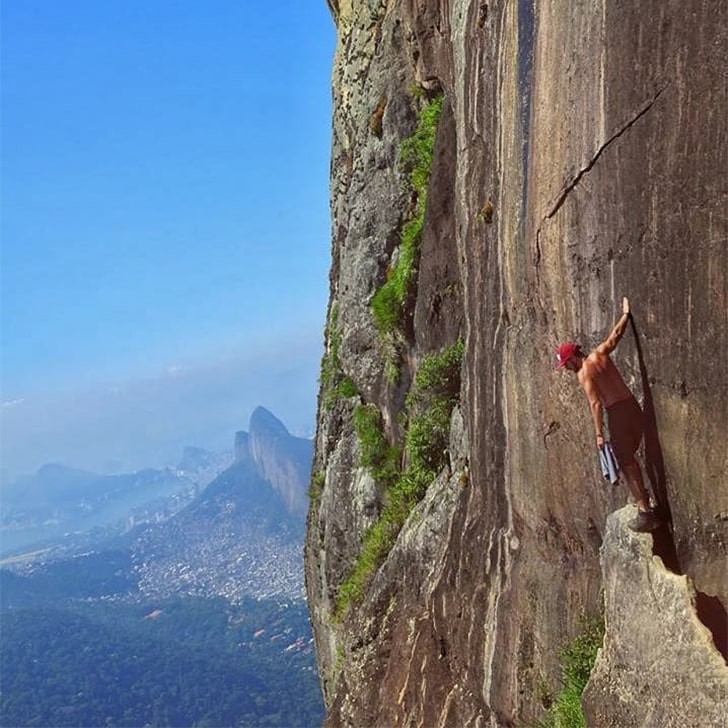
High on the near-vertical face in Rio, a fearless climber is caught mid-stunt, hanging off bare rock with no harness in sight. One hand grips the stone, the other lifts his shirt like a victory banner. The mountain is famous with hikers for its epic views and brag-worthy summit, but dangling off the cliff like this is another level. It looks incredible in a photo but feels terrifying to everyone watching.
Pedra da Gávea is one of the largest coastal monoliths, which makes the scenery unreal and the consequences very real. Chasing a dramatic shot is never worth gambling with your life, especially on a sheer wall where one slip is all it takes. Enjoy the panorama, take the picture from a safe spot, and leave the free-hanging heroics to people who are trained, properly equipped, and not trying to go viral. Safety first, always.
This Tiny Roof Hatch Leads to an Unreal View
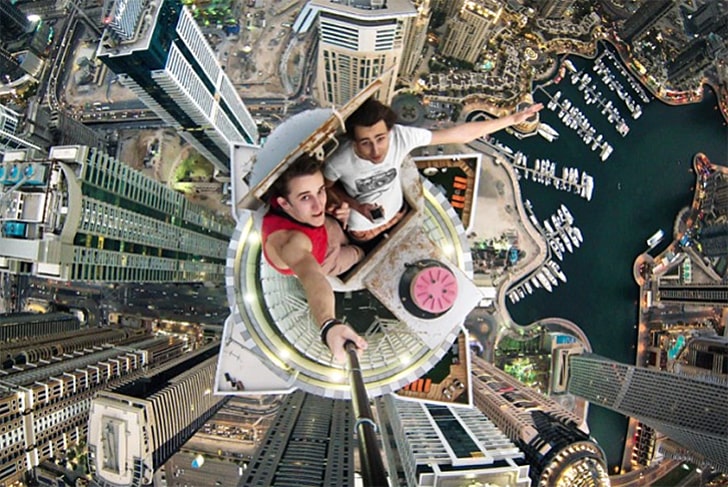
Yet another fearless pair has discovered a regular viewpoint is for amateurs. They climbed a skyscraper, emerging through a hatch onto a platform high above a bustling port. From there, boats seem like tiny specks gliding over a vast blue expanse. That hatch is not a secret door; it's a maintenance access point used by crews for inspections and repairs.
The height makes the city's layout feel surreal. The land appears to hug the harbor deliberately. It's a reminder that this place is in conversation with the sea. Hong Kong's deep harbor is renowned, a crucial hub for trade and shipping, helping make the city a standout global port.
The One Thumbs-Up That Shouldn’t Exist on a Skyscraper Ledge
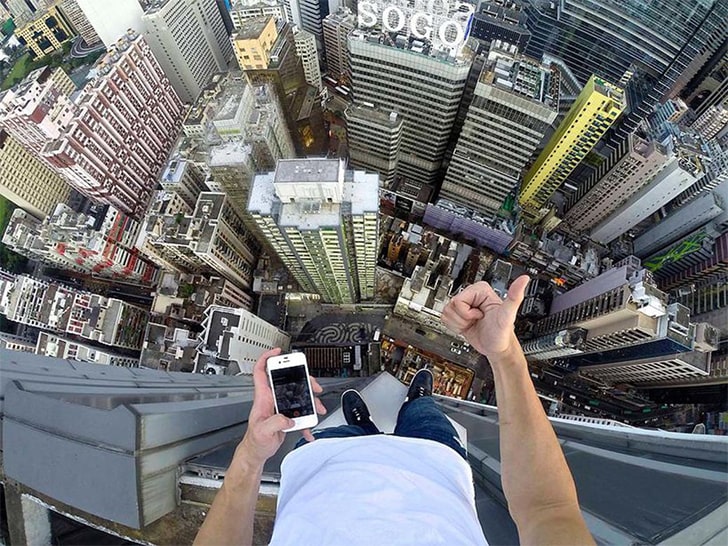
This jaw-dropping shot is a loud reminder that “bold” and “bad idea” can sit right next to each other. Daniel Lau flashes a casual thumbs-up from a height that turns the streets below into something like a model set. With a phone in hand, he freezes a split-second where the margin for error is basically nothing, and one wrong step could end the moment in the worst possible way.
His shoes stay just shy of the drop, which somehow makes it feel even more intense, like he’s measuring risk with millimeters. Photos like this often come out of Hong Kong, a city that’s built upward out of necessity. With steep mountains squeezing the land and a huge population to fit, the skyline keeps climbing, and daredevils keep finding new places to test their nerve.
This Selfie Stick Shot Is Not for the Faint of Heart
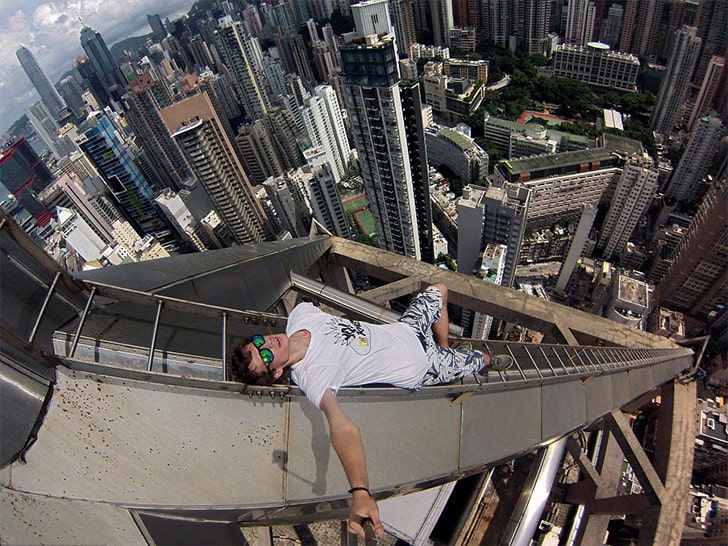
Some people call this “relaxing.” Most of us call it “absolutely not.” Perched on the razor-thin edge of a massive high-rise, this fearless daredevil stretches out a selfie stick like it is the most normal thing in the world. No harness in sight, no hesitation, just a calm, casual pose that makes your palms sweat from across the screen. It is the kind of photo that feels equal parts impressive and wildly unnecessary.
Selfie sticks have been around in one form or another since the 1920s, and for such a simple gadget, they have completely changed how we capture big moments. Here, it is doing the heavy lifting for a shot that screams “once in a lifetime.” The climber has picked a viewpoint that looks downright terrifying. The skyline and dense towers hint at Hong Kong, a place famous for sky-high buildings and views that go on forever.
The Tiny Foot Slip That Could Turn This Tower Into a Trap
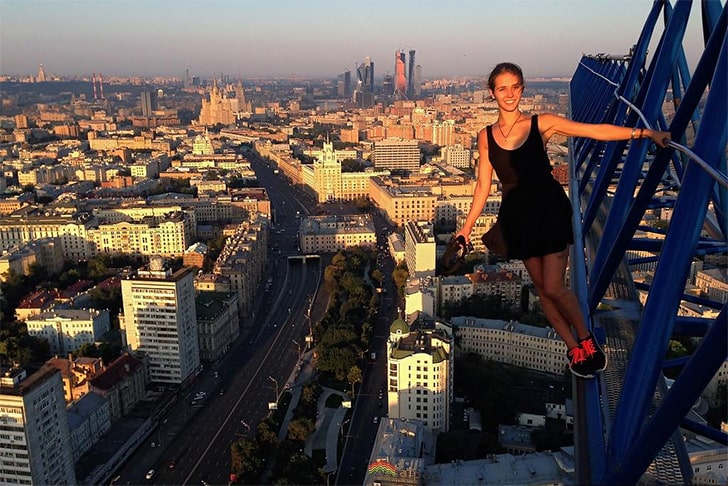
Angela Nikolau is perched above the city, one hand on the tower, shoulders loose, face calm. Dressed in black, she smiles at the camera while the skyline spreads below like a map. She's an experienced climber seeking extreme heights, making it look effortless as if the wind and the drop are mere background noise.
Doing it in a dress cranks up the fearless, rule-breaking vibe. The steel framework she grips is meant for servicing, not photo shoots. Yet, these towers attract urban explorers skilled in navigating them. Still, one can't help but think how a tiny misstep could turn the moment catastrophic.
The One Thing That Turns This Slackline Skywalk Into a Freefall
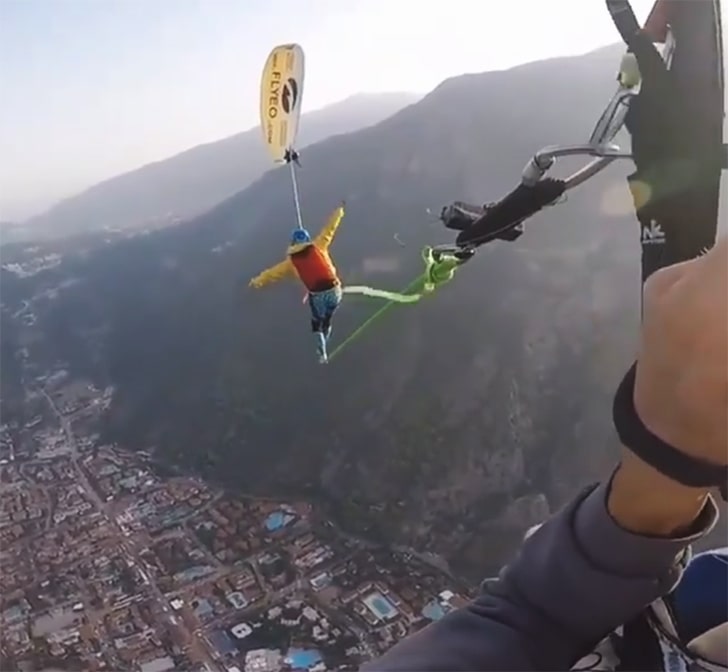
Way up in the sky, this fearless daredevil decides regular slacklining is not spicy enough, so he tries walking a line strung between two parachutists. It is the kind of balancing act that makes your palms sweat just watching. Skydiving itself usually needs serious altitude, often around 2,000 feet or more, so there is enough time for a parachute to open and actually do its job before the ground shows up.
Pulling off something this high up takes more than guts. The slackline and rigging have to be built to handle huge forces from shifting weight, wind, and movement, and everyone involved has to trust the setup completely. This feels less like a quick grab for attention and more like a hardcore training run. Still, the walker wears a parachute for a reason. When the balance finally goes, the fall comes fast, and that backup plan becomes the whole point.
This Canyonlands Selfie Reveals Something Wild About Utah’s Red Rock
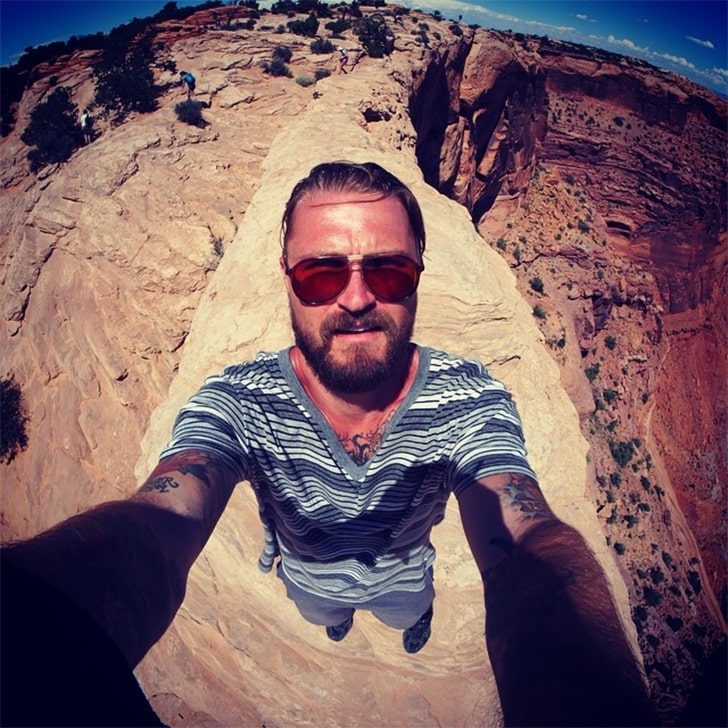
One quick selfie in Utah’s Canyonlands National Park tells a story: this place is huge, harsh, and ridiculously beautiful. The adventurer is on the rim, with red rock layers rolling out like a desert ocean. From there, the ground opens up, showing a landscape that took ages to form. It's a view that makes you go quiet, then want to show everyone because it looks unreal.
This jaw-dropping scenery didn’t happen overnight. Canyonlands was shaped by water working for a long time. The Colorado and Green Rivers sliced through the rock, creating cliffs, mesas, and winding canyons like a natural sculpture garden. The result is those cinematic overlooks that make you think about how old the Earth is and how tiny we are standing on the edge. It's humbling and thrilling.
This Hand-Holding Chain on a Cliff Edge Will Make You Look Twice
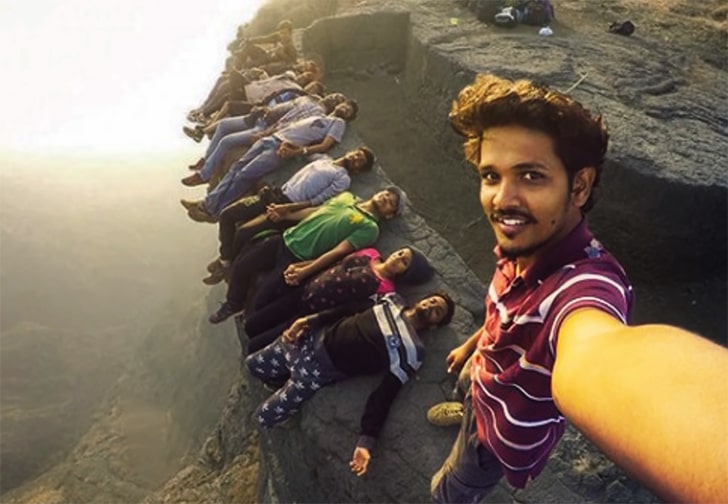
On the edge of a mountain, a photo captures a mix of bravery and audacity. A grinning man appears ecstatic with the view, flanked by nine friends creating a human chain. Their hands are interlocked, bodies aligned, and legs dangling over the abyss. Initially fun, the scene is a jolt back to reality, screaming of trust formed through shared trails and experiences.
It's a testament to hiking's transformative power on friendships. Beyond exercise and fresh air, it forges a team. On precarious paths, friends become spotters and supporters, moving onwards together. Posed as if in a living room, the group illustrates a unity born from tough journeys, captured in a daring, whimsical photo.
Why That Selfie on a Speeding Train Feels Like a Movie Stunt
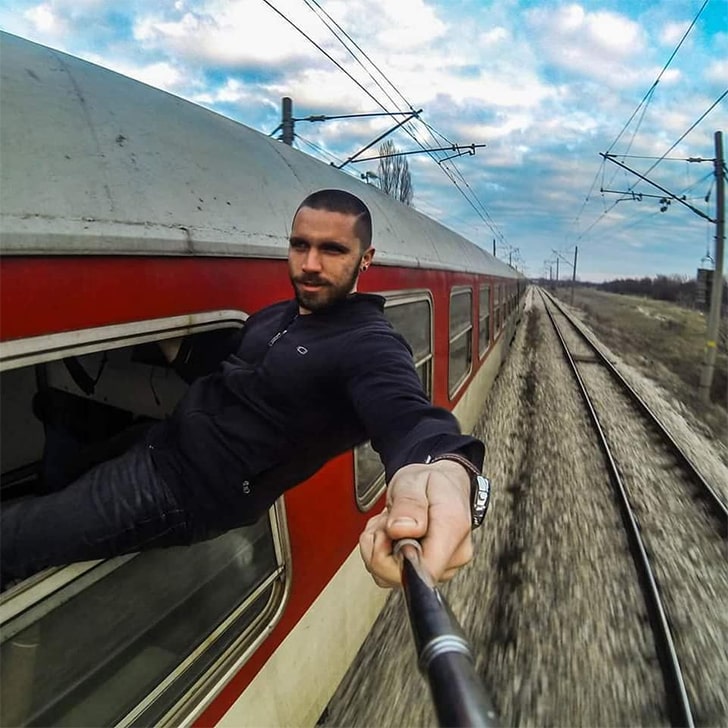
Picture this, an adventurer hanging out of a train that is absolutely flying, one hand locked on a camera, trying to nail the perfect selfie. The tracks smear into a gray streak below, the wind is doing its best to steal his breath, and somehow his eyes stay calmly trained on the lens like this is just another Tuesday. Modern trains can top 300 miles per hour, even if most passenger routes cruise more in the 70 to 125 range. Either way, it's fast enough to make your stomach drop.
This photo isn’t just a personal brag; it’s a testament to our rapid travel evolution. Steel wheels on steel rails cut friction, allowing trains to maintain wild speeds without shaking apart. The result is simple yet amazing; cities seem nearer, countries feel more connected, and what once took ages now happens in a blur. Add a daring selfie, and progress resembles an action scene.
Why Red Chuck Taylors Were the Wildest Choice on Tiger Leaping Gorge
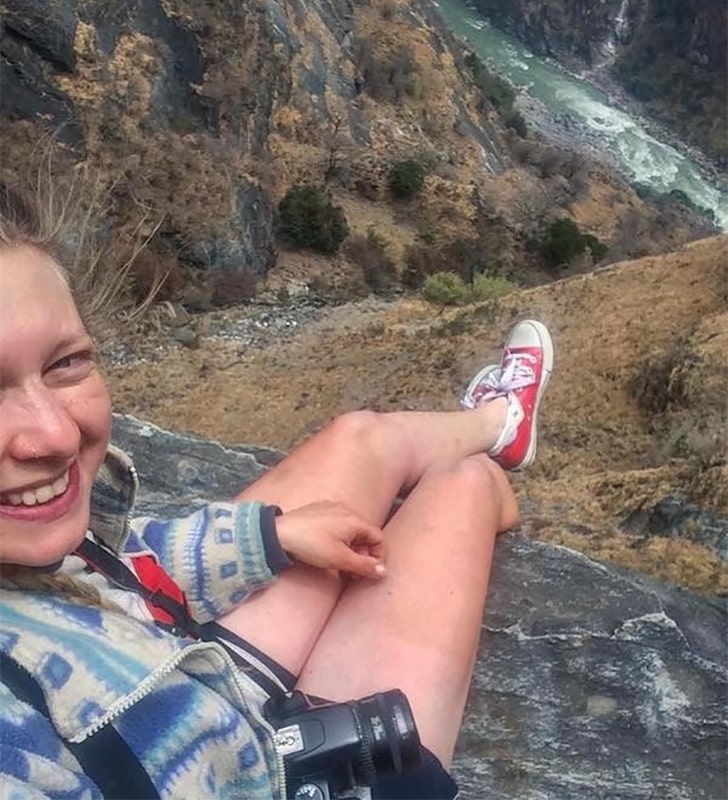
That big, fearless grin says it all—she is having the time of her life out on China’s Tiger Leaping Gorge, doing it with a bold little twist. Known for jaw-dropping scenery and narrow sections, the trail prompts even confident hikers to double-check their footing. Most arrive in serious boots, laces tight. She, however, cruises along in bright red Chucks as if the gorge is just another casual walk.
Good hiking shoes offer grip and protection on sketchy paths, where traction can mean the difference between a great story and a bad day. Still, she proves adventure doesn’t follow the rulebook. Every step is a playful dare, part hike, part fashion statement. She’s not just crossing a gorge; she’s balancing confidence, style, and nature’s raw edge all at once.
Why That Ravens Cap Looks Different at 500 Feet Up
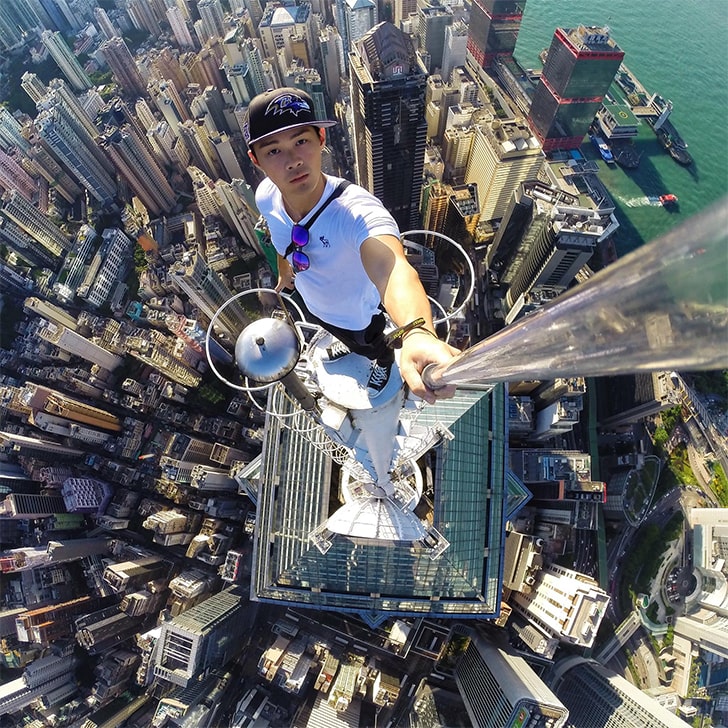
Way up where the city becomes a tiny grid of lights, Lau basically becomes the Baltimore Ravens’ unofficial mascot. He climbs to incredible heights, embodying a raven’s calm, sharp vibe, feeling at home above it all. Ravens are clever and adaptable, traits mirrored in his bold urban climbs, where mistakes aren't an option.
From his cloud-level perch, everything below resembles a map, offering that “from up here, I see everything” perspective. It's a view most only glimpse from a plane window, not a ledge. The bold cap symbolizes more than team pride; it’s a nod to the bird’s brains and complexity, crucial for executing such daring stunts.
The One Brooklyn Bridge Detail That Makes This Photo Feel Wild
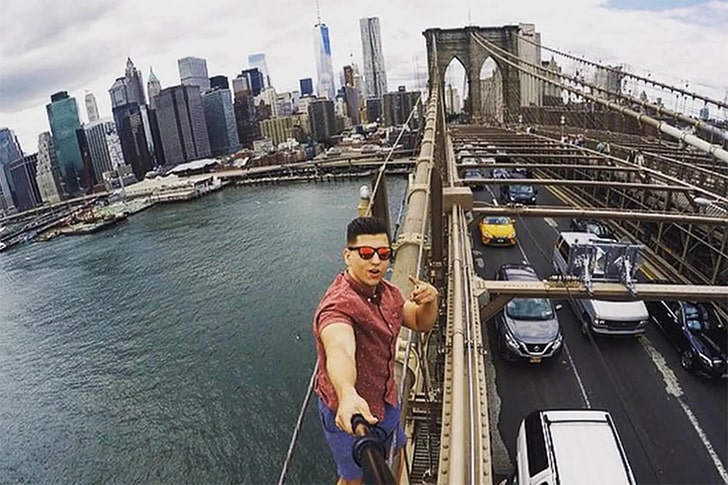
Karnauch skipped the standard tourist move. No sweeping skyline, no postcard-perfect panorama. Instead, he found a viewpoint that feels almost unreal. Perched high along the bridge’s edge, he’s framed by a messy, beautiful web of steel cables doing their job since 1883. He even pauses for a quick pose while traffic streams underneath like it’s just another normal day. It’s the kind of shot that makes you look twice, partly because the angle is so unexpected and partly because your brain keeps thinking, “Wait, how is he even up there?”
Bridges are engineering flexes, and the Brooklyn Bridge is one of the biggest. As the first steel-wire suspension bridge ever built, it’s not just a way to cross the East River, it’s a living piece of innovation and history. That mix of old-school brilliance and towering scale is exactly what pulls in thrill seekers who see more than a landmark. They see a challenge, a backdrop, and a story all at once.
The One Selfie You Shouldn’t Take Near Charging Bulls

Right in the middle of pure, heart-in-your-throat chaos, a guy decides this is the perfect time to grab a selfie, with the Running of the Bulls exploding behind him. This famous Spanish tradition pulls in crowds eager to sprint through narrow streets while a pack of bulls thunders after them. It’s part history lesson, part adrenaline sport, and part “what was I thinking?” moment. For many, it’s a loud, messy test of nerve and reflexes, with spectators cheering like it’s the world’s most dangerous parade.
The rush comes from bragging rights and the electric energy of the crowd. Bulls usually aren't out looking for trouble, but the noise, movement, and tight space can flip the switch quickly. Add hundreds of bodies funneling through the streets, and you get sudden, brutal bursts of speed that make the whole scene feel like it’s happening in fast-forward.
The One Thing Lurking in Dean’s Blue Hole Has Divers Hooked

A seasoned diver pauses at the rim of Dean’s Blue Hole near Clarence Town on Long Island, Bahamas, taking one last look at the bright, easy water before the drop. This is the deepest known blue hole on the planet, a massive underwater sinkhole that falls an eye-watering 663 feet. It’s no surprise it draws divers from everywhere, because it’s equal parts bucket-list wonder and straight-up intimidation.
One moment you’re floating in clear, shallow turquoise, and the next you’re staring into a dark circle that seems to swallow the sunlight. Going down there is not a casual swim; it takes nerve, serious training, and the right gear to handle crushing pressure shifts and near-total darkness safely.
The One Steel Beam Date That Has Everyone Doing a Double Take
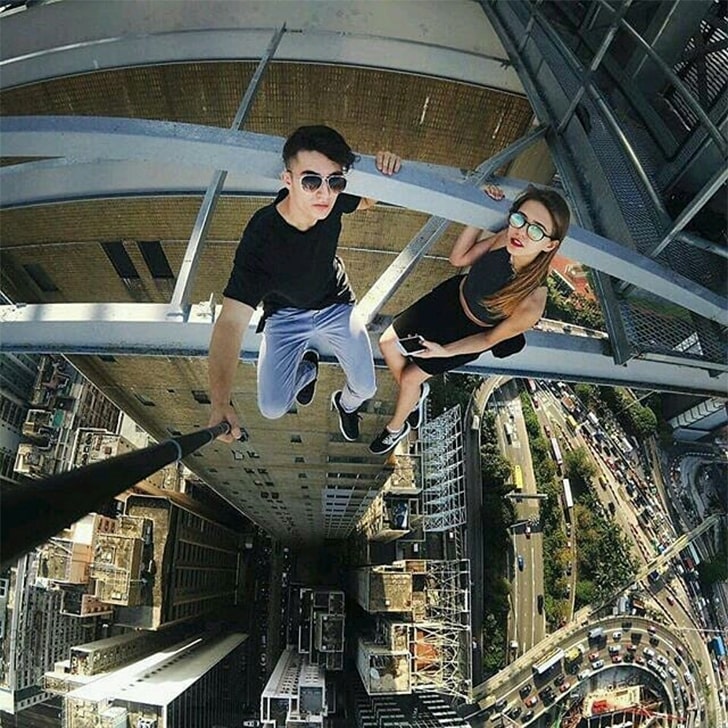
Forget dinner and a movie, this couple went with something more vertical. They’re perched on a steel beam with their legs swinging over open air, the city humming below. It’s not just a stunt or a quick hit of adrenaline. It’s a shared “we actually did that” moment, the kind you talk about for years, even if your friends need a minute to unclench their fists after seeing the photo.
People who chase rooftops love spots like this for the perspective and rush. From that height, the streets look like a living map, all lines and lights. It’s a challenge and a reminder that the same old city can look new when you change the angle.
The One Thing These Two Friends Didn’t Expect to Face Up Close: Flowing Lava
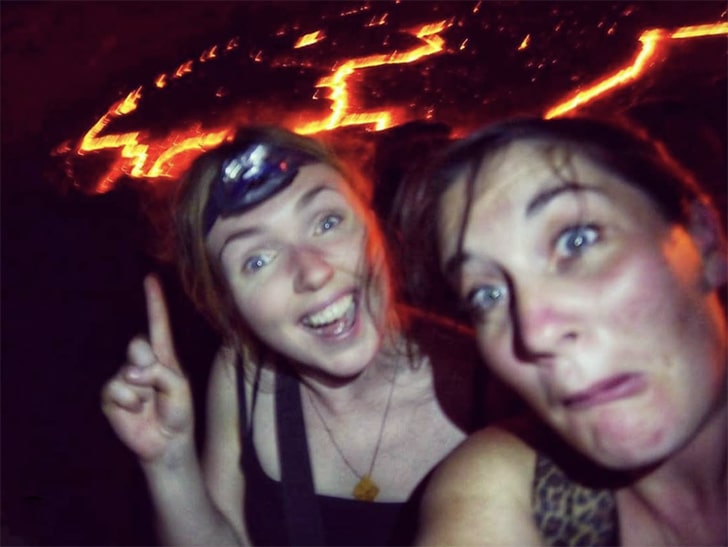
Two friends end up way too close to a river of lava and capture it with a quick photo and a lot of nerve. No heavy gear, no hazmat suits—just tank tops, sweaty palms, and adrenaline shouting, “This is insane.” It's easy to see why people push their luck around volcanoes, especially in Hawaii, where designated spots make it feel surprisingly normal to watch the planet doing its fiery thing.
For many, volcanoes are not a vacation thrill—they’re neighbors. Think towns near Mount Etna or Icelandic communities where eruptions and lava fields are part of the landscape. The glowing rock draws attention, but it's not the only danger. Volcanic gases can drift into populated areas, creating "vog," a nasty haze that irritates lungs and makes air unsafe, even when the lava seems far away.
The One Selfie Spot That’ll Make Your Knees Weak
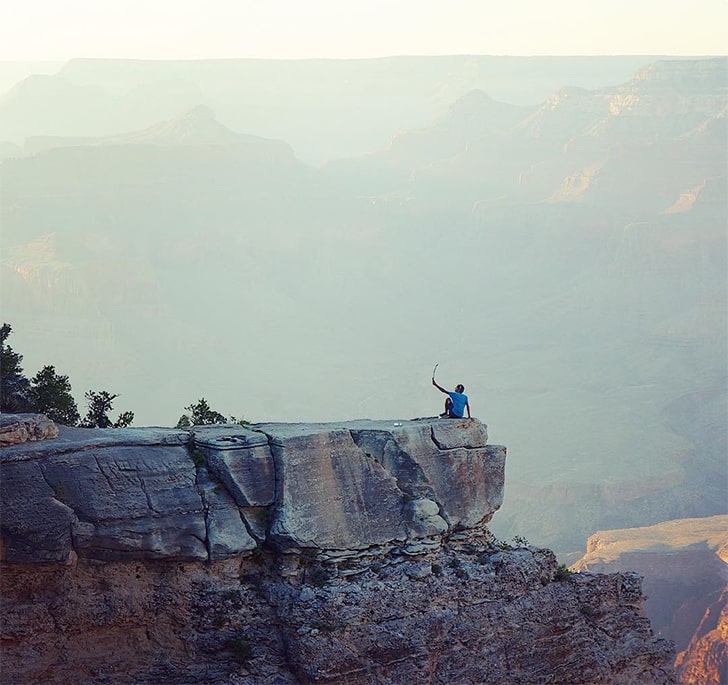
In Karin Claesson’s striking photo, a visitor sums up pure nerve by snapping a selfie on the lip of the Grand Canyon. It’s the kind of scene that makes you lean back without realizing it. This natural masterpiece, carved over millions of years, is a timeline of the planet, stacked in reds, golds, and purples that look almost unreal in changing light.
The canyon stretches 18 miles across and drops more than a mile down, drawing millions yearly. While the views are stunning, they come with serious warnings. The edges are gorgeous, yet slick, crumbly, and unforgiving. People visit for the scale, but also for the deep, hushy quiet that makes you stop, breathe, and think.